
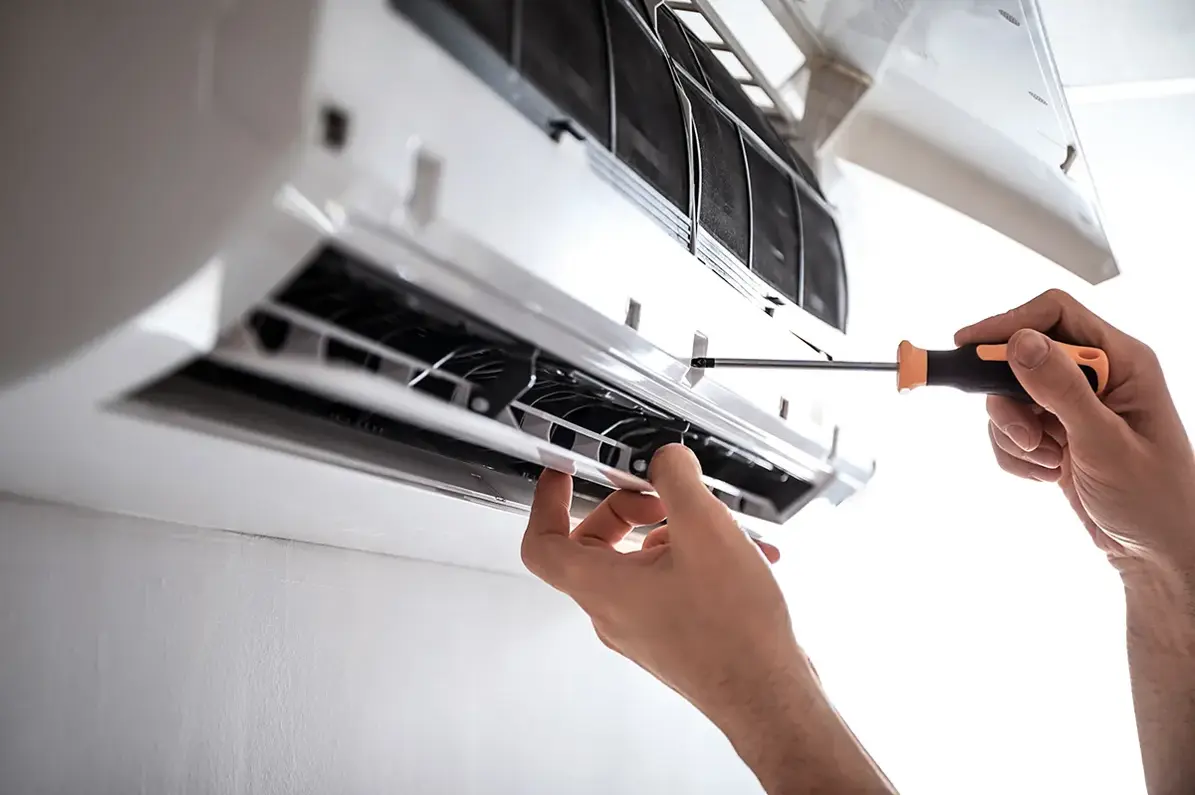
7 Signs You Need Air Conditioning Repairs Before Summer
Below are seven common signals that suggest an AC system needs attention before summer hits.
Is the AC blowing warm air instead of cool?
For air conditioning repairs sydney, if the vents are pushing warm or room temperature air, the system is not removing heat properly. This often points to refrigerant issues, compressor problems, or airflow restrictions that keep cooling from happening.
They should check thermostat settings first, but if it is set correctly and the air still is not cool, a repair visit is usually the next step.
Are there weak or inconsistent airflow patterns?
Weak airflow from vents can mean a clogged filter, blocked ducts, failing blower motor, or an evaporator coil issue. Inconsistent airflow across rooms can also hint at duct leaks or balancing problems that worsen as the system runs longer in hot weather.
If some rooms feel fine while others never cool down, they are likely paying for air that is not reaching the spaces that need it.
Is the AC making unusual noises during startup or operation?
Most AC systems have a steady, familiar sound. Grinding, banging, squealing, rattling, or clicking noises are not normal and often indicate loose parts, motor bearing wear, fan issues, or electrical problems.
If the noise is new or getting louder, they should not wait. Small mechanical problems can turn into major damage when the unit is forced to run hard during peak heat.
Are there odd smells coming from the vents?
Musty odors can suggest moisture buildup, mold growth, or a dirty evaporator coil. A burning or electrical smell can indicate overheating components, wiring problems, or a failing motor, which should be treated as urgent.
Smells are not just a comfort issue. They can signal air quality concerns or a safety problem that needs professional diagnosis.
Is the system short cycling or running nonstop?
Short cycling means the AC turns on and off frequently without completing a normal cooling cycle. This can be caused by thermostat problems, overheating components, improper refrigerant levels, or an oversized system that cools too quickly without dehumidifying well.
On the other end, if it runs nonstop and still cannot reach the set temperature, they may be dealing with dirty coils, low refrigerant, duct leaks, or aging performance that cannot keep up anymore.
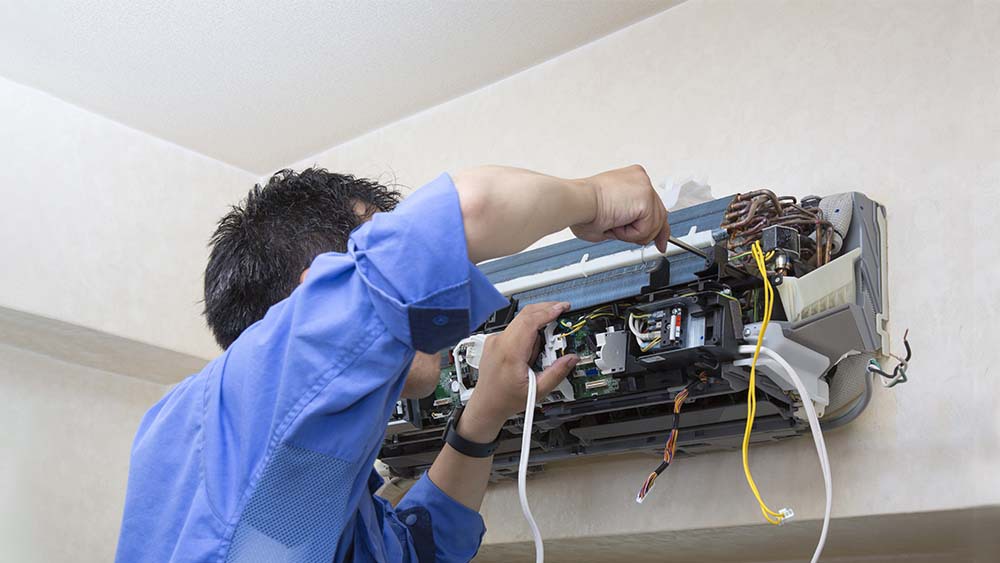
Have energy bills jumped without a clear reason?
When a system loses efficiency, it has to work harder to produce the same cooling. Dirty coils, restricted airflow, failing capacitors, refrigerant leaks, and duct losses can all raise energy use even if their habits have not changed.
If the bill trend is climbing and weather patterns do not fully explain it, they may be paying for a problem that will become more expensive in summer.
Is there visible moisture, leaking, or ice on the unit?
Water around the indoor unit can come from a clogged condensate drain line, a cracked drain pan, or poor airflow causing excess condensation. Ice on refrigerant lines or the indoor coil often points to restricted airflow or low refrigerant, both of which can damage the compressor if ignored.
They should shut the system off if they see ice and schedule service. Running an iced-over system tends to make the underlying issue worse.
What should they do next if they notice one of these signs?
They should book an inspection and repair before the first heat wave, when wait times are shorter and minor fixes are easier. They can also take simple steps immediately, like replacing the air filter and clearing debris around the outdoor unit, but they should avoid DIY work on refrigerant or electrical components.
Early repairs usually cost less than emergency calls, and they give the system the best chance to run reliably all summer.
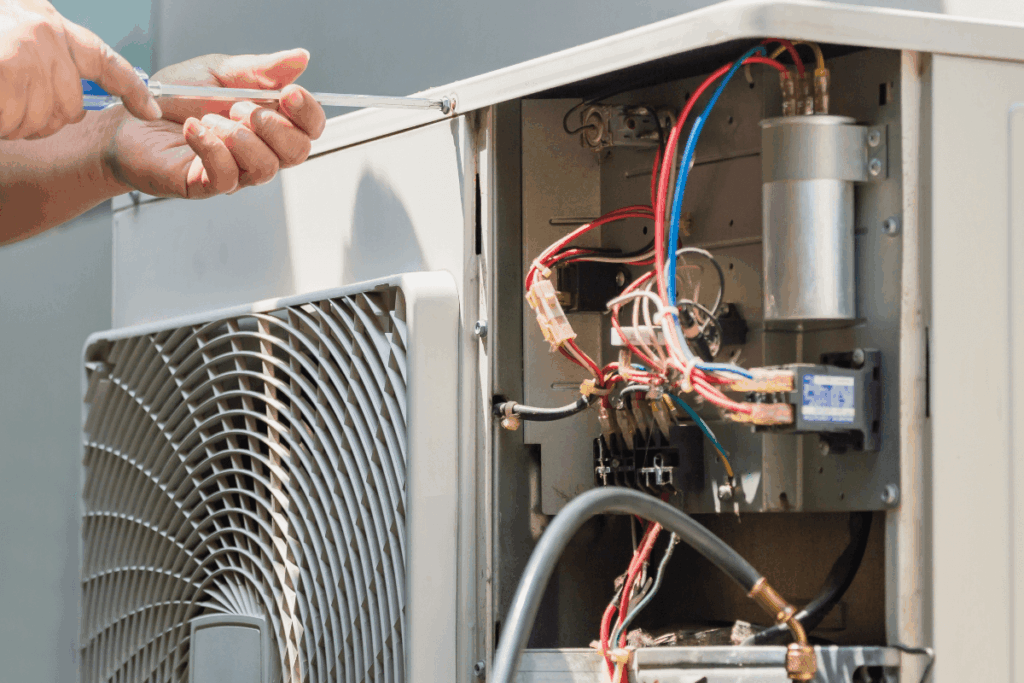
FAQs (Frequently Asked Questions)
Why is my air conditioner blowing warm air instead of cool?
If your AC vents are pushing warm or room temperature air, it means the system isn’t removing heat properly. This could be due to refrigerant issues, compressor problems, or airflow restrictions. First, check your thermostat settings; if they’re correct and the air remains warm, it’s time to schedule a repair. Learn more about ducted vs split system air conditioning: which is better for Sydney homes?
What causes weak or inconsistent airflow from my AC vents?
Weak airflow might result from a clogged filter, blocked ducts, a failing blower motor, or evaporator coil issues. Inconsistent airflow across rooms can indicate duct leaks or balancing problems. These issues worsen with extended use during hot weather and reduce cooling efficiency in certain areas.
What do unusual noises from my AC indicate?
Grinding, banging, squealing, rattling, or clicking noises are signs of potential problems like loose parts, motor bearing wear, fan issues, or electrical faults. Such noises are abnormal and should prompt immediate professional inspection to prevent major damage during peak heat periods.
Why am I noticing odd smells coming from my AC vents?
Musty odors often point to moisture buildup, mold growth, or dirty evaporator coils. Burning or electrical smells suggest overheating components, wiring issues, or failing motors. These odors can indicate air quality concerns or safety hazards requiring urgent professional diagnosis.
What does it mean if my AC is short cycling or running nonstop?
Short cycling—frequent on/off cycles—can stem from thermostat problems, overheating parts, improper refrigerant levels, or an oversized system that cools too quickly without dehumidifying well. Conversely, nonstop running without reaching set temperatures may indicate dirty coils, low refrigerant, duct leaks, or an aging system losing efficiency.
How can I tell if my rising energy bills are due to AC problems?
An inefficient AC works harder to cool your home, raising energy use. Causes include dirty coils, restricted airflow, failing capacitors, refrigerant leaks, and duct losses. If your bills increase without changes in usage or weather patterns fully explaining it, your system likely has an issue needing professional attention before summer.