
Ducted vs Split System Air Conditioning: Which Is Better for Sydney Homes?
What’s the real difference between ducted and split system air conditioning?
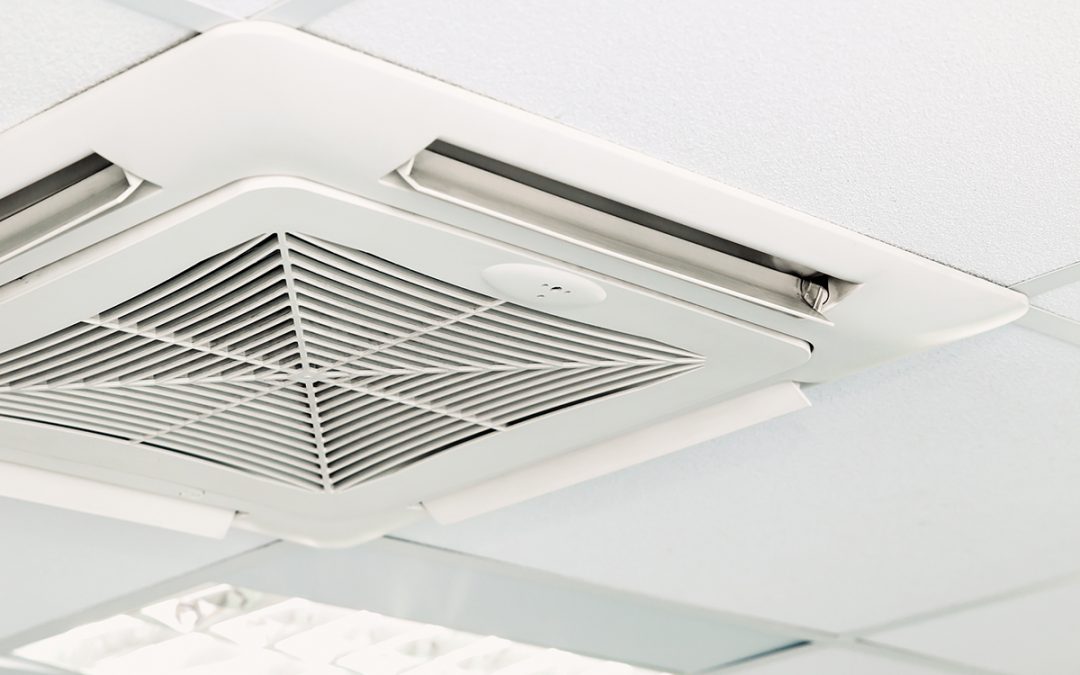
Ducted air conditioning uses one central unit and a network of ducts to push air into multiple rooms through ceiling vents. It’s designed to cool or heat the whole home, often with zoning that lets them control areas separately.
For air conditioning sydney, split systems use one indoor unit per room (or zone) connected to an outdoor compressor. They’re built for room-by-room control without ductwork.
Which system handles Sydney’s summer heat better?
Both can handle Sydney’s hot, humid days if sized correctly. Ducted systems tend to feel more even across the home because air is distributed throughout multiple rooms, reducing hot spots.
Split systems can deliver strong performance in the rooms they serve, but homes may feel uneven if only a few rooms have units and doors are left open expecting whole-home results.
Which is cheaper to install in Sydney homes?
Split systems are usually cheaper to install because they don’t require roof ducting, multiple vents, or major ceiling work. A single split is often the most budget-friendly way to cool a bedroom or living area.
Ducted systems cost more upfront due to ductwork, zoning options, and longer installation time. They also suit homes with roof space and a layout that makes duct runs practical.
Which option is cheaper to run long term?
Running costs depend on insulation, usage habits, energy prices, and correct sizing. Ducted can be economical if they use zoning properly and only condition the areas they need.
Split systems can be cheaper to run when they only cool occupied rooms, because they avoid conditioning the whole house. Costs rise when multiple splits run at once across many rooms, sometimes approaching ducted-level consumption.
Which system works best for apartments, terraces, and older Sydney homes?
Split systems often suit apartments and smaller terraces because they need less structural work and can be installed room by room. They’re also useful when strata restrictions limit major exterior or roof modifications.
Ducted can work well in larger terraces and older homes that have accessible roof cavities, but tight ceiling spaces, heritage constraints, or difficult duct routes can make installation complex and costly.
How do noise levels compare between ducted and split systems?
Ducted systems are usually quieter inside rooms because the main fan and compressor are not in the room, and air enters via vents. Noise can still come from airflow, return air grilles, or poor duct design.
Split systems are generally quiet, but their indoor wall units still produce audible fan noise, and outdoor units can affect nearby bedrooms or neighbours if placement is poor.
Which looks better inside Sydney homes?
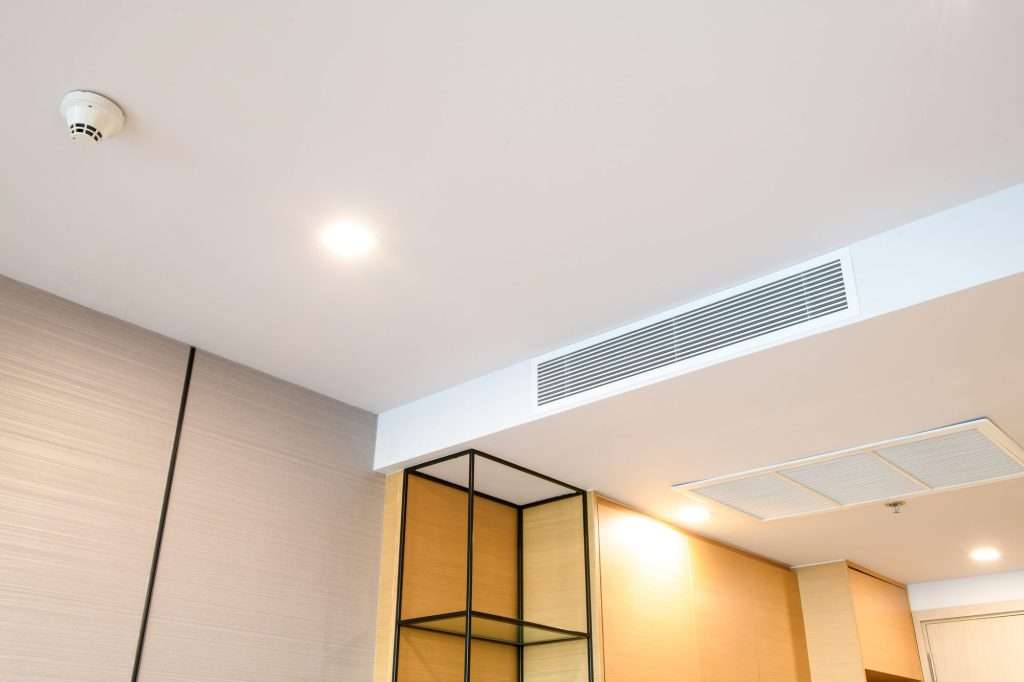
Ducted systems are typically more discreet, showing only vents and a central controller. That suits design-conscious renovations and open-plan living areas where they don’t want wall-mounted units.
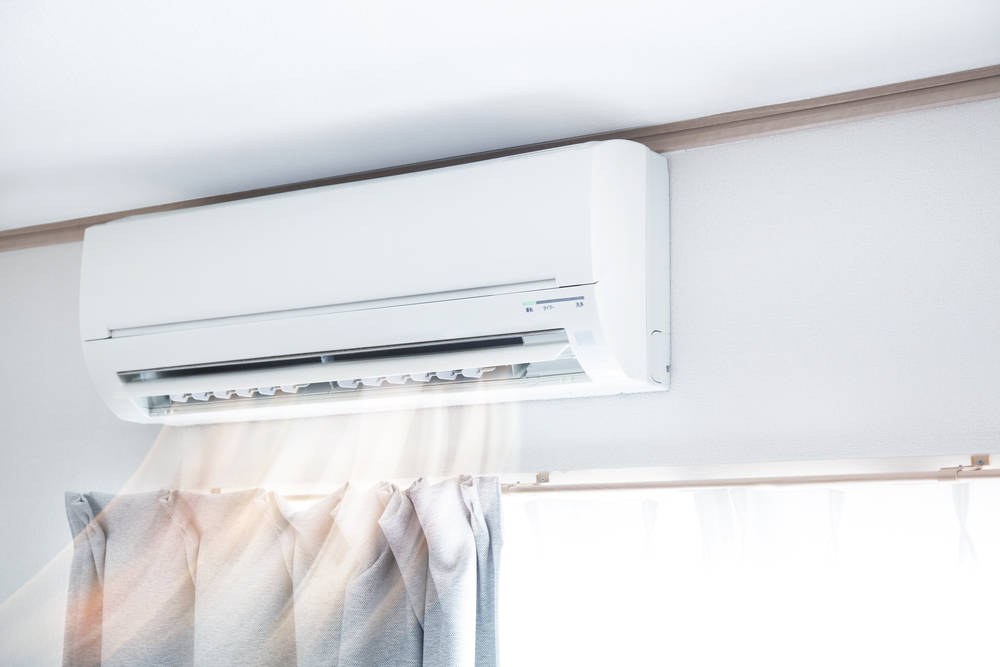
Split systems are visible in each room, which can be a drawback in heritage interiors or minimalist spaces. Some choose bulkhead or ceiling cassette options, but those can increase installation cost.
How do maintenance and repairs compare?
Ducted systems usually require filter cleaning, periodic servicing, and attention to ducts over time. If there’s a duct leak or zoning issue, diagnosis can be more involved.
Split systems require cleaning filters in each indoor unit and servicing as needed. Repairs can be simpler per unit, but having multiple splits means more individual components that may need attention over the years.
Which is better for air quality and filtration?
Both can support good air quality with clean filters and regular maintenance. Ducted systems can be paired with higher-grade filtration at the central return, which some households prefer for dust and allergens.
Split systems filter per room, which works well when they keep up with cleaning. If filters are neglected, performance and air quality can drop quickly, especially in bedrooms.
So, which is better for Sydney homes: ducted or split?
Ducted is usually better when they want whole-home comfort, cleaner aesthetics, and the ability to zone multiple areas from one system. Split systems are usually better when they want a lower upfront cost, targeted cooling, and flexibility to condition only the rooms they use.
A practical rule: if they need air conditioning in one to three key rooms, splits often make sense. If they want consistent comfort across most of the home, ducted is often the better fit, provided the home layout and budget support it.
FAQs (Frequently Asked Questions)
What is the main difference between ducted and split system air conditioning in Sydney homes?
Ducted air conditioning uses a central unit with ducts to distribute air throughout multiple rooms, ideal for whole-home comfort and zoning control. Split systems have individual indoor units per room connected to an outdoor compressor, offering targeted cooling without ductwork. Learn more about 7 signs you need air conditioning repairs before summer.
Which air conditioning system handles Sydney’s hot and humid summers better?
Both ducted and split systems can effectively manage Sydney’s summer heat when properly sized. Ducted systems provide more even temperature distribution across the home, reducing hot spots, while split systems deliver strong cooling in specific rooms but may result in uneven temperatures if only a few units are installed.
Which air conditioning option is more cost-effective to install in Sydney homes?
Split systems are generally cheaper to install as they require no ductwork or major ceiling modifications, making them budget-friendly for cooling individual rooms. Ducted systems have higher upfront costs due to duct installation, zoning features, and longer setup times, suitable for homes with accessible roof space and practical layouts.
How do running costs compare between ducted and split air conditioning systems?
Running costs vary based on insulation, usage, energy prices, and system sizing. Ducted systems can be economical when using zoning to cool only needed areas. Split systems may be cheaper if cooling is limited to occupied rooms; however, running multiple splits simultaneously can increase energy consumption close to that of ducted systems.
Which air conditioning system is best suited for Sydney apartments, terraces, and older homes?
Split systems often suit apartments and smaller terraces due to minimal structural work and easier room-by-room installation, especially where strata rules restrict exterior modifications. Ducted systems fit larger terraces or older homes with accessible roof cavities but can be complex or costly in tight ceilings or heritage properties.
How do noise levels compare between ducted and split air conditioners in Sydney homes?
Ducted systems tend to be quieter inside rooms since the main fan and compressor are located away from living spaces, though some noise may come from airflow or ducts. Split systems produce audible fan noise inside each room from indoor units and outdoor compressor noise that can affect nearby bedrooms or neighbors depending on placement.