
The Best Time of Year for Termite Control Sydney
What Is the Role of Timing in Effective Termite Control in Sydney?
Timing determines the success or failure of termite control measures in Sydney. When treatments align with peak termite activity periods, pest control professionals can target colonies at their most vulnerable stages, preventing extensive structural damage and reducing long-term costs.
Understanding Sydney’s Climate and Its Impact on Termites
Sydney’s subtropical climate creates year-round conditions that support termite populations, making professional termite removal an important consideration for homeowners. While activity levels fluctuate with seasonal changes, the city’s warm, humid summers and mild winters ensure termites are never fully absent, although their behaviour patterns shift depending on temperature and moisture availability.
Temperature influences termite activity in distinct ways:
- Below 15°C: Termites become sluggish and retreat deeper into their colonies
- 20-30°C: Optimal conditions trigger breeding, foraging, and colony expansion
- Above 35°C: Activity decreases as termites seek cooler, moisture-rich environments
The Importance of Spring for Termite Treatment
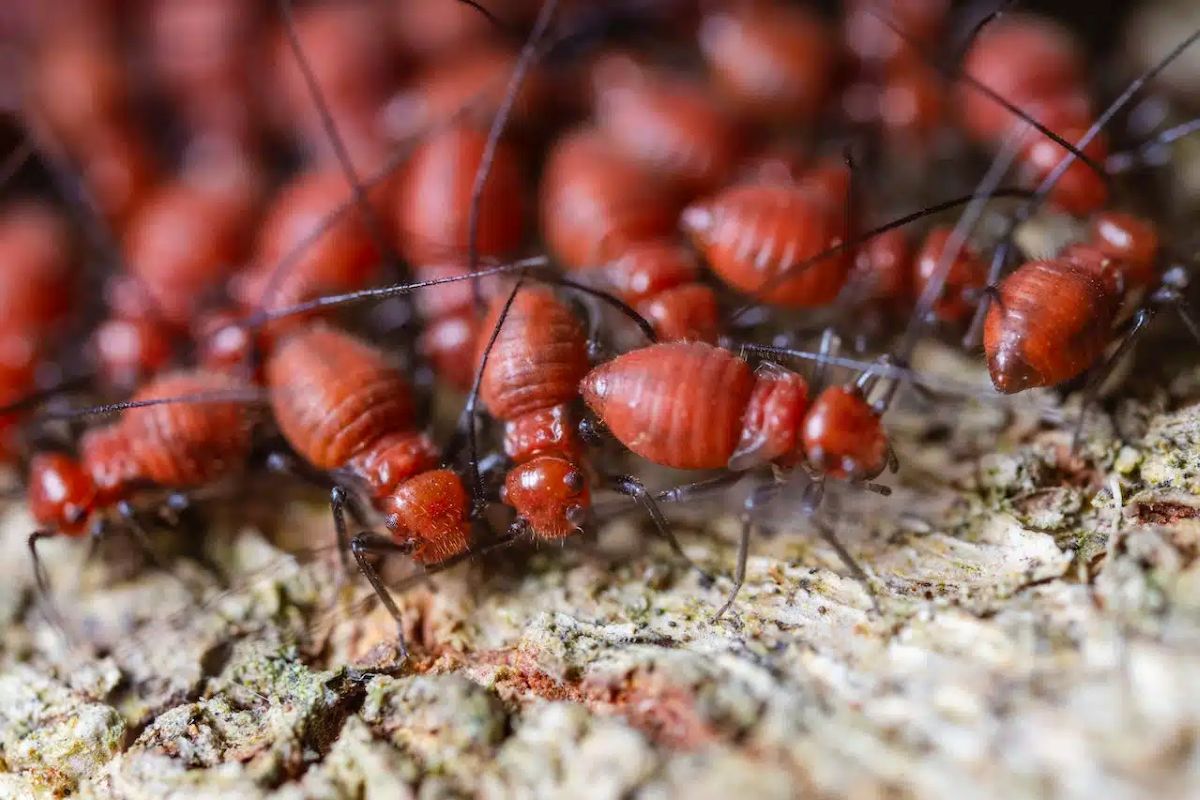
The best time for termite treatment in Sydney centres on spring months when colonies emerge from winter dormancy. During this period, reproductive termites (alates) prepare for their mating flights, workers increase foraging activity, and entire colonies become more detectable through visible mud tubes and increased surface activity.
Understanding termite activity Sydney patterns reveals why spring stands apart from other seasons. Winter’s cooler temperatures push termites into hibernation-like states deep within structures, making detection and treatment challenging. Summer’s extreme heat can drive colonies underground or into wall cavities where they remain hidden. Autumn sees declining activity as colonies prepare for winter.
How Pest Control Professionals Use Timing to Their Advantage
Termite control Sydney professionals recognise spring as the strategic window where visibility meets vulnerability. Colonies expand their territory, workers travel further from nests, and reproductive swarms provide clear evidence of infestation locations. This combination creates ideal conditions for comprehensive inspections and targeted treatments that eliminate entire colonies rather than merely addressing surface symptoms.
The relationship between Sydney’s climate and termite behaviour makes timing more than a convenience—it becomes a critical factor in protecting property investments and ensuring treatment effectiveness.
How Do Termite Lifecycle and Pest Activity Cycles Influence Treatment Success Rates?
Understanding the termite lifecycle directly determines when treatments achieve maximum effectiveness. Termites progress through three distinct developmental stages: egg, nymph, and adult, with each phase presenting different vulnerabilities to control methods. The entire cycle from egg to mature adult typically spans several months, creating windows of opportunity where interventions can disrupt colony growth most effectively.
Egg Stage Vulnerabilities
Termite eggs remain protected within the colony’s nursery chambers, making them largely inaccessible to most treatment methods. Queens can lay thousands of eggs annually, with hatching occurring within 30-90 days depending on environmental conditions. Treatments applied during peak egg-laying periods in spring can prevent the next generation from establishing, significantly reducing future colony strength.
Nymph Development and Activity
Nymphs emerge as soft-bodied, pale versions of adult termites and undergo multiple moults before reaching maturity. This stage represents a critical vulnerability period:
- Nymphs require consistent moisture and temperature
- They feed voraciously to support rapid growth
- Their increased movement throughout the colony spreads treatment agents more effectively
- Spring warmth accelerates nymph development, concentrating activity
Adult Termite Behaviour Patterns
Mature termites divide into distinct castes—workers, soldiers, and reproductives—each with specific roles affecting treatment success. Workers constitute 90-95% of the colony and actively forage for food, making them primary targets for baiting systems. Reproductives, including alates (winged termites), emerge during spring swarming events, providing visible evidence of infestations that might otherwise remain hidden.
Pest Activity Cycles and Treatment Timing
Pest activity cycles follow predictable patterns tied to temperature, humidity, and seasonal changes. Sydney’s climate creates distinct activity peaks that professional pest controllers leverage for optimal results. Termite foraging intensifies when soil temperatures exceed 20°C, typically occurring from September onwards.
The relationship between activity levels and treatment efficacy becomes clear when examining colony behaviour:
- High activity periods mean more termites encounter treatment barriers and baits
- Increased foraging spreads termiticides throughout the colony faster
What Are the Seasonal Patterns of Termite Activity Observed in Sydney?
Termite activity in Sydney follows distinct seasonal patterns, with populations fluctuating dramatically throughout the year. Sydney’s temperate climate creates ideal conditions for termites during warmer months, whilst cooler periods see a marked reduction in visible activity.
Winter Dormancy and Reduced Detection
During winter months (June to August), termite colonies don’t disappear—they simply become less visible. Worker termites retreat deeper into their nests and reduce foraging activities as temperatures drop below 15°C. This dormancy makes detection significantly harder, as mud tubes and surface activity diminish. Colonies continue to survive underground, maintaining their numbers whilst waiting for favourable conditions to return.
Spring Surge in Activity
Seasonal pest behaviour shifts dramatically as temperatures rise in spring (September to November). Termite colonies respond to warming soil temperatures by:
- Increasing foraging activities to gather food for expanding populations
- Sending out reproductive alates (winged termites) for mating flights
- Building new mud tubes and extending existing tunnel networks
- Accelerating egg-laying cycles within the colony
Spring temperatures between 20-30°C trigger the most intense termite activity Sydney experiences annually. Reproductive swarmers emerge during humid, warm evenings after rainfall, seeking to establish new colonies. This period represents peak vulnerability for homeowners, as termites actively search for new timber sources.
Summer Continuation and Peak Damage Risk
Summer months (December to February) maintain high termite activity levels established in spring. Colonies reach maximum foraging capacity, with worker termites operating around the clock. The combination of warmth and occasional rainfall creates perfect conditions for rapid timber consumption. Subterranean termites exploit moisture in soil and building materials, accelerating structural damage during this period.
Autumn Transition Period
Autumn (March to May) sees a gradual decline in visible termite activity as temperatures cool. Colonies begin preparing for winter by consolidating resources and reducing expansion efforts. Swarming events become less frequent, though established infestations continue causing damage. This transitional phase offers a final window for effective treatment before winter dormancy complicates detection and assessment efforts.
Why Does Spring Stand Out as the Most Advantageous Season for Termite Control Efforts?
Spring termite control delivers maximum effectiveness because termites emerge from winter dormancy in highly vulnerable states. Between September and November, colonies actively swarm and establish new nests, making them easier to detect and eliminate before they cause extensive structural damage.
Peak Visibility Makes Detection Straightforward
Termite swarmers—winged reproductive termites—become highly visible during spring months. These alates leave established colonies in large numbers to mate and form new colonies, often appearing near windows, doors, and light sources. Homeowners can spot discarded wings, mud tubes on exterior walls, and increased termite activity around timber structures. This heightened visibility allows pest control professionals to identify infestation sites quickly and accurately, something far more difficult during winter when termites remain hidden deep within walls and foundations.
Biological Vulnerability During Reproductive Cycles
The reproductive phase creates unique weaknesses in termite colonies. Worker termites expand tunnel systems to support growing populations, exposing more of the colony structure to treatment chemicals. Queens lay thousands of eggs daily during spring, concentrating colony resources in specific locations. Targeting termites during this intensive breeding period disrupts their entire lifecycle, preventing future generations from establishing. Pest vulnerability reaches its annual peak when colonies prioritise expansion over defence mechanisms.
Optimal Weather Conditions Enhance Treatment Efficacy
Sydney’s spring temperatures between 20-25°C create ideal conditions for liquid termiticides and baiting systems to work effectively. Soil moisture levels from spring rainfall help distribute chemical barriers evenly around building perimeters. Termites actively forage through damp soil during these months, increasing their contact with treated zones. Dry winter soil and scorching summer heat both reduce treatment penetration and effectiveness, making spring the goldilocks period for chemical applications.
Pre-Summer Intervention Prevents Peak Season Damage
Acting during spring prevents catastrophic damage during summer’s peak termite activity. Established colonies can consume up to 400 grams of timber daily once summer heat accelerates their metabolism. The best time of year for termite control Sydney professionals recommend is spring precisely because it intercepts colonies before they reach maximum destructive capacity.
How Do Weather Conditions Affect Termites and Other Pests During Spring in Sydney?
Spring’s unique weather patterns create ideal conditions for termite colonies and numerous other pest species to thrive simultaneously. The combination of moderate temperatures (typically 18-25°C), increased humidity levels, and regular rainfall transforms Sydney’s environment into a breeding haven for insects that have remained dormant during winter.
How Temperature Affects Pests
Temperature fluctuations directly influence the weather impact on pests by accelerating metabolic rates and reproductive cycles. Termites become significantly more active when soil temperatures rise above 15°C, triggering swarming behaviour where winged reproductives (alates) emerge to establish new colonies. This same temperature range stimulates activity in:
- Cockroaches seeking food and shelter in warmer microclimates
- Ants establishing new nests and foraging trails
- Spiders spinning webs to capture increasingly active prey
- Flies completing their lifecycle from egg to adult in mere days
How Rainfall Affects Pests
Rainfall patterns during September through November create multiple challenges for Sydney homeowners. Increased moisture levels soften timber structures, making them more attractive and accessible to subterranean termites. The same precipitation creates stagnant water pools in gutters, plant saucers, and poorly drained areas—perfect breeding grounds for mosquitoes that can complete their aquatic larval stage in as little as seven days.
How Humidity Affects Pests
Humidity levels above 70% particularly favour termite survival, as these insects require constant moisture to prevent desiccation. Spring’s humid conditions allow termites to venture further from their nests, expanding their foraging range and increasing the likelihood of encountering residential structures. Wasps and bees also capitalise on spring humidity, as it supports the flowering plants they depend on for nectar whilst providing ideal conditions for nest construction.
How Wind Patterns Affect Pests
Wind patterns characteristic of Sydney’s spring months inadvertently assist pest dispersal. Gentle breezes carry termite alates during their nuptial flights, potentially depositing mating pairs near vulnerable properties. These same winds transport other flying insects, including mosquitoes and flies, across greater distances than they could achieve through their own flight capabilities.
Other Resources : Climate change and the agricultural sector
What Benefits Can Homeowners Gain By Seeking Professional Assistance For Termite Control In Spring?
Professional termite treatment during spring delivers superior results because pest control experts can intercept termites during their most active breeding phase. Trained technicians possess the knowledge and equipment to identify early warning signs that homeowners typically miss, such as subtle mud tubes, frass deposits, or structural weaknesses.
Early Detection Saves Money and Property
Spring inspections by qualified professionals catch infestations before colonies establish deep within wall cavities or foundation structures. Specialists use thermal imaging cameras, moisture metres, and acoustic detection devices to locate termite activity behind surfaces where visual inspection proves impossible. This technology-driven approach identifies problems at stages when treatment remains straightforward and affordable.
Comprehensive Treatment Strategies
Licensed pest control operators implement multi-layered defence systems tailored to Sydney’s specific termite species. These strategies combine:
- Chemical barrier treatments around property perimeters
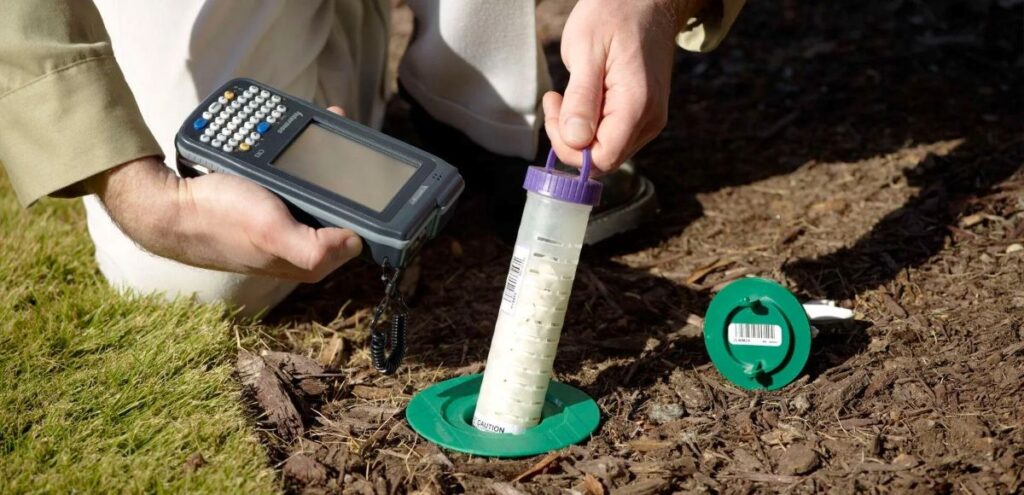
- Baiting systems strategically placed near active termite zones
- Timber treatments for vulnerable structural elements
- Monitoring stations for ongoing surveillance
Professional services extend beyond immediate eradication. Technicians assess environmental factors attracting termites to properties, such as moisture accumulation, wood-to-ground contact, or inadequate ventilation. They provide detailed reports outlining risk areas and recommend structural modifications to prevent future infestations.
Guaranteed Protection and Follow-Up
Reputable pest control companies offer warranty periods following spring treatments, providing homeowners with peace of mind throughout the year. Regular follow-up inspections ensure barriers remain effective and detect any new termite activity before significant damage occurs. This ongoing relationship proves invaluable for maintaining long-term property protection.
Spring’s favourable conditions allow treatment products to penetrate soil more effectively due to optimal moisture levels. Chemical barriers establish more uniformly when ground temperatures sit within ideal ranges, creating robust protection zones that remain active for extended periods.
What Risks Do Homeowners Face If They Delay Their Termite Control Efforts Beyond The Spring Season?
Delaying termite treatment beyond spring can lead to more severe damage to your property and much higher costs to fix it. The Best Time of Year for Termite Control Sydney is spring because waiting too long allows termite colonies to spread further into the building materials during the warmer months.
Structural Damage Escalates Rapidly
Once established, termite colonies can eat through wood at alarming rates. A single colony can consume around 13 pounds of wood each year, but larger colonies can eat significantly more. If you miss the opportunity to treat in spring, termites will have free access to important structural parts of your home like support beams, floor joists, and wall frames during summer and autumn when they are most active in feeding.
Within a few months of an active infestation, load-bearing wooden structures can become damaged. Homeowners who put off treatment from spring to winter may start noticing problems such as sagging floors, cracked walls, or doors that don’t close properly—these are signs of serious structural damage that will require extensive repairs.
Financial Costs Multiply With Each Passing Month
Delaying termite treatment directly leads to higher costs. Spring treatments usually range from £2,000 to £4,000 for complete barrier systems and colony elimination. However, if you wait until you can see the damage, repair expenses could exceed £15,000 to £30,000 when replacing damaged structural timber becomes necessary.
Most insurance policies do not cover termite damage because it is considered preventable maintenance. Property owners are responsible for paying both pest control and structural restoration costs out of pocket. The longer termites go unnoticed, the more widespread their damage becomes as it spreads through interconnected wooden elements.
Detection Becomes Increasingly Difficult
As termite populations grow, their colonies expand their territory. Spring is the best time to spot early signs of infestation such as mud tubes, frass deposits (termite droppings), and swarmers (winged termites). If you delay treatment, these colonies will be able to invade deeper into hidden areas where it becomes harder to detect them without invasive inspection methods.
Advanced infestations often spread to multiple parts of a property. What starts as a localized issue in spring can turn into a widespread infestation affecting different structural areas by the end of the year. This may require treating multiple zones and using larger amounts of chemicals.
How Can Residents Prepare Their Homes For Successful Termite Control During The Spring Months In Sydney?
Homeowners can significantly reduce their vulnerability to termite invasions by implementing strategic termite prevention tips before professional treatments begin. Simple environmental modifications around your property create less attractive conditions for these destructive pests.
Remove Moisture Sources and Improve Drainage
Termites thrive in damp environments, making moisture control essential. Fix leaking taps, pipes, and air conditioning units immediately. Ensure downpipes direct water at least one metre away from your home’s foundation. Clear blocked gutters regularly to prevent water accumulation near timber structures.
Eliminate Wood-to-Ground Contact Points
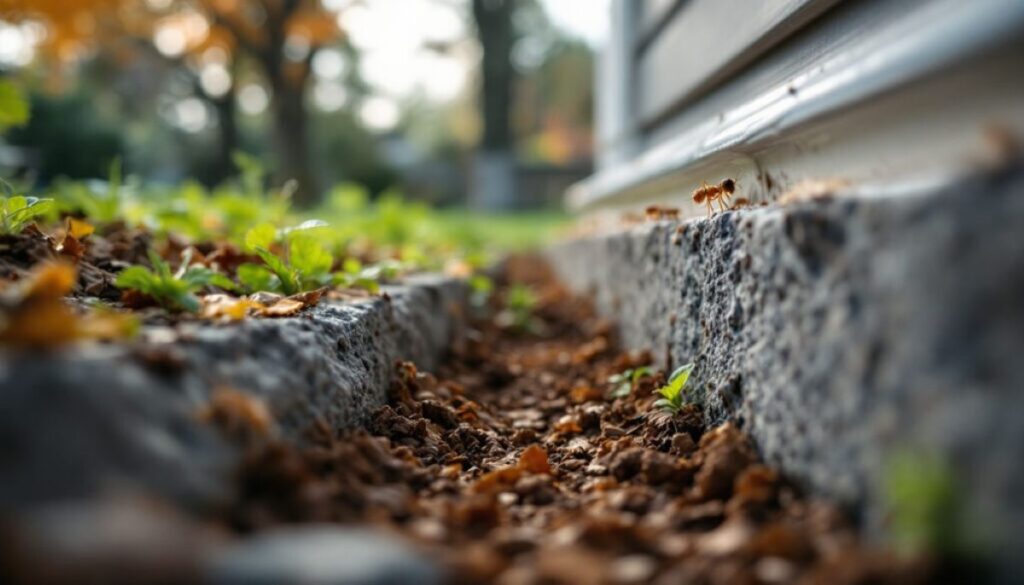
Inspect your property for any timber touching soil directly. Raised garden beds, wooden steps, or fence posts in contact with earth provide termites with hidden entry routes. Replace timber with metal or concrete alternatives where possible, or install physical barriers between wood and ground.
Reduce Timber Debris and Cellulose Materials
Clear your garden of fallen branches, old tree stumps, firewood stacks, and timber offcuts. Store necessary firewood at least 20 metres from your home and elevate it off the ground. Remove cardboard boxes, newspapers, and other cellulose-based materials from storage areas, particularly basements and garages.
Seal Entry Points and Cracks
Examine your home’s exterior for cracks in concrete foundations, gaps around pipes, and openings near windows and doors. Seal these vulnerabilities with appropriate materials such as expanding foam or silicone caulk. Pay special attention to areas where utilities enter your home.
Maintain Adequate Ventilation in Subfloor Areas
Poor ventilation creates humid conditions that attract termites. Install additional vents in subfloor spaces if necessary and ensure existing vents remain unobstructed by plants, stored items, or soil buildup. Aim for cross-ventilation to reduce moisture levels beneath your home.
Trim Vegetation Away from Building Perimeters
Keep shrubs, trees, and climbing plants at least 30 centimetres from your home’s exterior walls. Overhanging branches that touch your roof provide convenient access routes for termites. Dense vegetation against walls traps moisture and blocks sunlight.
Conclusion
The best time for termite control in Sydney is clearly spring. From September to November, termites are most active, visible, and vulnerable to treatment. Professional pest management during these months delivers better results compared to treatments done when termites are dormant.
But spring pest management does more than just get rid of termites right away. It also helps prevent costly structural damage by detecting problems early on when termites are most active. By treating termite colonies while they’re breeding and expanding, we can completely eliminate them before they establish themselves deeper within your property’s structure.
Homeowners who combine professional spring treatments with year-round preventative measures have the strongest defence against termite invasions. Regular inspections, moisture control, and structural maintenance work together with seasonal professional interventions to protect your investment.
The best time of year for termite control in Sydney is always spring, but protection requires constant vigilance. Scheduling annual professional assessments from September to November, along with proactive home maintenance throughout the year, is the most effective long-term strategy against these destructive pests.
Don’t wait until you see visible damage. As spring approaches, contact licensed pest control specialists to schedule thorough termite inspections and treatments. Taking action early during peak activity periods saves money, keeps your structure intact, and gives you peace of mind knowing your home is well-protected from Sydney’s most stubborn timber-destroying insects.
Related : Got Mice? The Ultimate Guide to Mouse Control Sydney
FAQs (Frequently Asked Questions)
What is the role of timing in effective termite control in Sydney?
Timing is crucial in termite control as it aligns treatment efforts with periods of heightened termite activity. Sydney’s climate influences termite behaviour, with activity levels peaking during certain seasons. Implementing control measures at the optimal time enhances their effectiveness, particularly in spring when termites are most active.
How do termite lifecycle and pest activity cycles influence treatment success rates?
Understanding the termite lifecycle and pest activity cycles is essential for successful treatment. Termites go through various stages, each with differing levels of activity. By targeting treatments during peak activity phases, pest management strategies become more effective, ensuring better eradication and prevention outcomes.
What are the seasonal patterns of termite activity observed in Sydney?
Termite activity in Sydney varies seasonally, with populations increasing during warmer months. Peak periods typically occur in spring when conditions are favourable for termite foraging and colony expansion. Recognising these patterns helps homeowners and professionals time their control efforts appropriately.
Why does spring stand out as the most advantageous season for termite control efforts?
Spring is considered the optimal season for termite control because termites become more visible and vulnerable as they emerge from dormancy to forage and reproduce. The increased pest activity during this time allows for more effective detection and treatment, reducing the risk of extensive infestations.
In what ways do weather conditions impact both termites and other pests during springtime in Sydney?
Spring weather in Sydney, characterised by moderate temperatures and increased moisture, creates ideal conditions for termites and other pests to thrive. These factors stimulate pest proliferation and activity, making timely intervention critical to manage infestations before they escalate.
What benefits can homeowners gain by seeking professional assistance for termite control in spring?
Engaging professional pest control services during spring offers advantages such as early detection of infestations, tailored treatment plans, and comprehensive eradication methods. Professionals leverage their expertise to effectively manage peak termite activity periods, safeguarding homes from structural damage and costly repairs.