
Tree Stump Removal Compared Across 3 Common Methods
If a tree stump is standing on your property, it can be both an eyesore and a potential hazard. Australians are increasingly looking at professional solutions that provide safety, efficiency and environmental benefits. With varying techniques on offer, it’s essential to understand the differences so you can choose the best approach for your needs.
This guide looks at three common methods: stump grinding, manual removal and chemical treatment. Each method carries its own advantages and drawbacks, including differences in cost, time, and success rates. Let’s explore each in detail, so you can make an informed decision.
Understanding Tree Stump Removal
Tree stump removal isn’t a one-size-fits-all process. The method you choose is largely influenced by the size of the stump, the surrounding environment, and even the local soil conditions. Particular factors, such as the stump’s species and complexity of the root system, can add to removal challenges.
Besides the clear aesthetic benefits, removing a stump can also reduce the likelihood of seedling mortality and pest infestations. Research has shown lower seedling mortality rates in stumped areas compared to non-stumped ones, which is especially relevant if you are dealing with issues like LRR. Homeowners in Australia benefit from cutting-edge techniques that are both safe and effective.
Deciding on the right removal method involves balancing budget, time and the potential impacts on your property. Whether opting for a swift mechanical approach or a more labour-intensive removal technique, understanding the underlying factors matters.
Stump Grinding
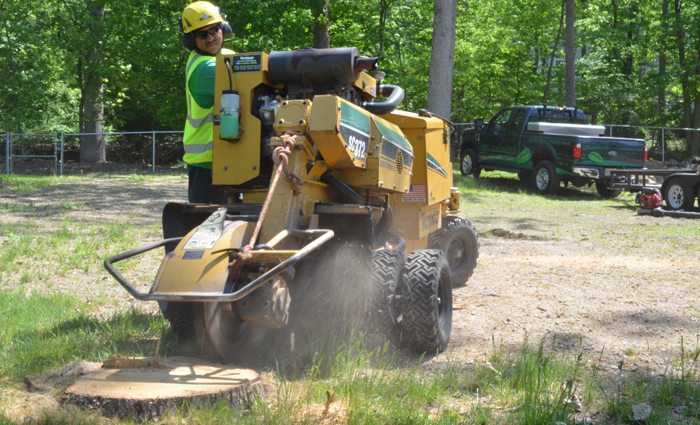
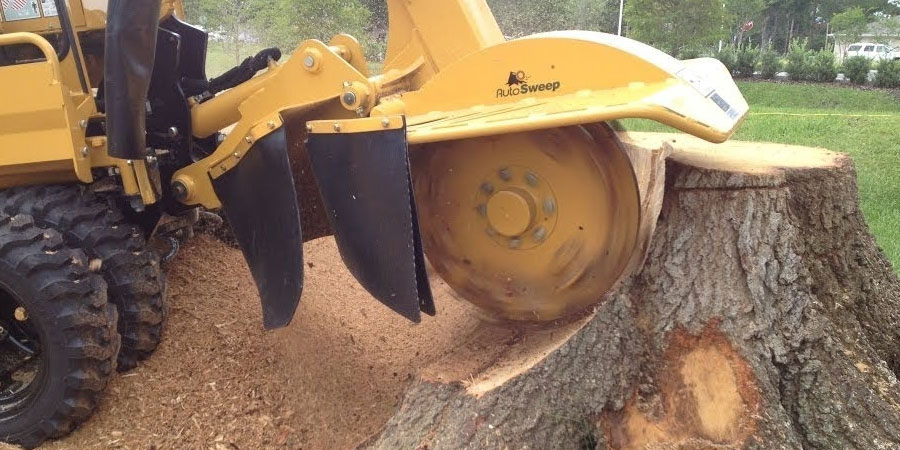
Stump grinding involves using specialised machinery to crush the remaining stump beneath the surface. It is by far the most popular option among homeowners looking for an efficient and relatively affordable solution.
This method has boasted success rates of around 90%, which makes it a highly reliable process whether the stump is near a pathway, driveway or an area with limited access. Australians appreciate the minimally invasive nature of stump grinding, and it is perfectly suited to busy homeowners who prioritise rapid results.
The need for professional skills highlights the importance of hiring experienced operators. Not only are they equipped to manage larger stumps, but they also ensure the grinding is done seamlessly, reducing risks of damage to surrounding structures or landscaping.
The Process of Stump Grinding
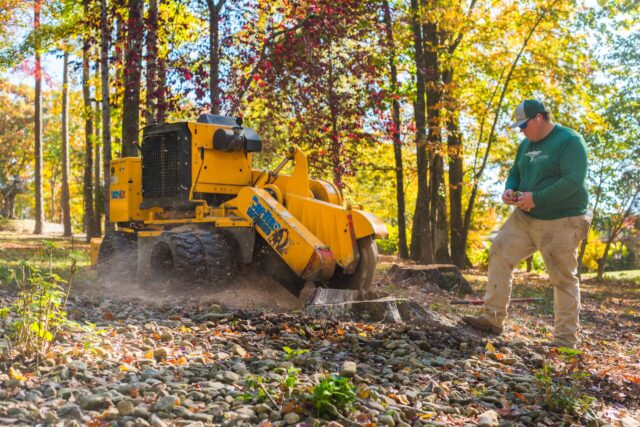
Stump grinding starts by clearing the area of debris and obstacles, ensuring that the machine can operate safely. An operator manoeuvres a cutting wheel around the stump, grinding it down to a level well below the surface.
This process typically leaves behind wood chips which can be repurposed as mulch in your garden. The precision and speed of stump grinding make it a top choice for urban properties where time and space are at a premium.
Even in tricky spots where space is limited, professionals are able to reposition their equipment skilfully, making sure the process is both effective and safe.
Cost and Efficiency in Stump Grinding
Cost factors for stump grinding usually start from a base rate that accounts for equipment travel and operation. On average, professionals charge between $75 and $500 per stump, with the national average around $340. The prices may vary depending on the stump’s diameter and the particular service provider.
The cost per diameter inch usually sits between $2 and $5, making larger stumps more expensive to grind down. While the minimum call-out fee can add around $100 to $150, many users consider the overall value given the high success rate and minimal property disruption.
The efficiency of the machinery means that even complex root structures are typically managed quickly, reducing the risks of long-term regrowth. This economic benefit, combined with impressive reliability, has made stump grinding an increasingly favourite choice.
Other Considerations for Stump Grinding
While stump grinding is efficient, remember that it does not remove the entire root system. If you’re planning further landscaping, you might need to undertake additional work. This extra stage is important if an entirely level surface is needed for replanting or construction.
There is also the matter of noise and dust, particularly in residential areas. Professional services often take measures to minimise these impacts, ensuring neighbourly harmony is maintained throughout the process.
Getting multiple quotes from local stump removal specialists can help you better understand the overall costs. This means asking about fees, equipment use and any special conditions that may apply. Knowledge is power when dealing with stumps!
Manual Removal
Manual removal is the traditional approach to getting rid of unwanted stumps. Although it is labour-intensive, many regard it as thorough, ensuring that both the stump and the entire root system are eliminated from your property.
This method is often chosen where future development is anticipated, thus reducing risks that leftover roots will cause problems later on. Australian homeowners frequently weigh this option despite higher costs, as it provides a permanent solution that stops regrowth in its tracks.
Manual removal usually requires specialised tools and a considerable amount of physical effort. It is a task best left to professionals who can provide the necessary expertise and equipment to get the job done right.
The Manual Removal Process Explained
During manual removal, workers first expose the stump’s entire root system by digging around the stump. They then methodically sever roots using saws, axes or specialised excavators.
Once the stump and roots are exposed, additional machinery like backhoes might be used to lever the entire system out of the ground. This careful approach ensures that all parts of the tree are completely removed.
The removal process involves more planning and time, especially for tree species with particularly expansive or stubborn root systems. The detailed care involved is one of the reasons this method comes with a higher price tag.
Cost Factors and Investment Insight
The cost of manual removal can range widely, often falling between $200 and $700. Such price variations depend heavily on the stump’s size, the complexity of its root system and the difficulty of accessing the removal site.
Manual removal is generally the priciest option because it requires extensive labour and specialised equipment. Professionals must cover not only their time but also the logistics of transporting heavy machinery, leading to higher base fees.
When budgeting for manual stump removal, it’s worthwhile to consider the longer-term benefits. Removal of the entire root system can mitigate future risks such as regrowth, pest infestations and structural issues in adjacent areas.
Pitfalls and Benefits of Manual Removal
The main benefit of manual removal is the comprehensive extraction of both stump and roots. This method is particularly valued when planning subsequent landscaping or construction projects in the same area.
However, manual removal is not without its drawbacks. The significant cost and time investment can be a deterrent for homeowners looking for a more immediate solution. There is also the potential for soil disturbance, affecting existing gardens or nearby vegetation.
It’s crucial to discuss both the benefits and downsides with your service provider. This ensures that you have a clear understanding of any potential replanting or soil stability issues following the removal.
Chemical Removal
Chemical removal, or stump decay treatments, involve applying specialised chemicals that accelerate the natural decomposition of the stump. This method requires patience, as complete decay may take several months to years, depending on environmental conditions.
The chemicals used are generally designed to be environmentally friendly, though all treatments should be handled with care. Homeowners are advised to follow manufacturer instructions closely or seek expert guidance to ensure safety.
Chemical treatment is often selected by those who are not in a rush to remove the stump immediately. It’s a cost-effective alternative and can be suitable for areas where machinery is impractical or the site is hard to access.
What Chemical Removal Entails
The chemical removal process usually starts with drilling several holes into the stump. These holes allow for the injection of chemical agents that work to break down the wood fibres over time.
Once applied, the stump undergoes a gradual decay process. The chemicals boost the natural rotting process, reducing the time needed for the stump to collapse or disintegrate.
The method is relatively non-invasive, meaning there’s less disruption to the surrounding soil compared to mechanical removal techniques. This makes it a forgiving option when you’re worried about preserving adjacent plantings.
Cost and Safety Considerations
Chemical removal is typically one of the least expensive methods in terms of upfront costs. However, the overall expense may balance out when weighing the time required for full decay and the potential need for multiple applications.
Please note that, although chemicals can be safe when used as directed, safety precautions are essential. Protective clothing, careful handling and adherence to local regulations are necessary to prevent accidental exposure and environmental contamination.
Cost-wise, many homeowners value the low immediate financial impact, even if it means waiting longer for the stump to disappear completely from their property.
Long-Term Effects on the Environment and Next Steps
The long-term environmental impact of chemical removal is generally limited, although continuous monitoring is advised if the area is to be used for sensitive planting or if children and pets frequently play nearby.
Once the stump has fully decayed, you are generally left with a soil surface that is ready for replanting or other landscaping projects. Some chemicals may even enrich the soil, promoting healthy plant life in your garden.
Before starting chemical removal, it is a good idea to consult local guidelines and consider the potential impacts on nearby vegetation. This ensures that your garden remains both safe and aesthetically pleasing. You may like to get more about sensitive plant let’s visit https://www.business.qld.gov.au/industries/farms-fishing-forestry/agriculture/biosecurity/plants/invasive/other/common-sensitive-plant.
Comparative Analysis
When deciding among stump grinding, manual removal and chemical treatment, several factors should be considered. Each technique presents a unique balance of cost, time and environmental impact.
Stump grinding is favoured for its speed and impressive 90% success rate. Manual removal, on the other hand, offers complete extraction at a higher cost. Chemical treatments provide a budget-friendly option with minimal disruption, albeit with a longer timeline.
Understanding these differences helps ensure that you select the method best suited to your property’s requirements and your personal timeline.
Cost Comparison
The costs for stump removal can vary widely. With stump grinding, expect to pay an average of around $340 per stump, but rates can range from as little as $100 to as high as $1,400. This variation is linked directly to stump size, accessibility and the chosen method.
Manual removal is on the upper end of the cost spectrum, usually falling between $200 and $700. This method demands more labour, which drives the price upward, especially when the stump features an extensive root system.
Chemical removal tends to be a more economical option in terms of initial expenditure. However, the total cost must incorporate the time taken for the stump to decay and any follow-up maintenance that may be necessary.
Success Rates and Efficiency
Stump grinding is noted for its stellar performance, with success rates around 90%. Its high efficiency and rapid turnaround time make it a reliable option, particularly for busy households.
Manual removal, while thorough, depends significantly on the expertise of the professionals involved. When executed correctly, the result is total extraction with minimal chance of regrowth; however, the process can be time-consuming.
Chemical removal, meanwhile, offers a different measure of success. Although it doesn’t provide an immediate visual result, the method is proven to reduce issues like seedling mortality significantly. In certain studies, seedling mortality dropped from 9.1% on non-stumped sites to 2.4% on stumped areas, indicating a tangible benefit to this approach.
Environmental and Health Factors
Each stump removal method carries its own environmental footprint. Stump grinding produces wood chips that can be recycled into mulch, offering an eco-friendly outcome. There is minimal use of chemicals, which suits environmentally conscious households.
Manual removal, despite its invasiveness on the soil structure, ensures that the whole stump and root system is eradicated. This can reduce the potential for pest infestations and regrowth, protecting the broader ecosystem of your garden.
Chemical removal raises questions about chemical exposure and soil contamination. However, modern formulations are designed to be environmentally safe when applied properly. Always follow professional advice and local regulations to maintain a healthy, balanced ecosystem.
Conclusion and Final Thoughts
Each stump removal method has its distinct merits. Stump grinding is a quick, efficient solution with impressive success rates, making it ideal for those needing results without extensive waiting times. Its affordability and practicality have made it a popular choice with urban and suburban homeowners alike.
Manual removal remains unmatched in thoroughness. Although it comes with a higher financial and time investment, the peace of mind that comes with knowing the complete root system is gone can be well worth it for projects involving new landscaping or building extensions. Australians valuing long-term solutions may find this method most appealing despite its inherent challenges.
Chemical treatment stands as an excellent option for those with a relaxed timeline who prioritise a low-initial cost solution. While it demands patience, the method carefully balances budget concerns with environmental factors, making it well suited to more rural settings or inaccessible sites.
Before choosing a stump removal method, weighing the costs against efficiency and long-term environmental impacts is crucial. Obtaining multiple professional quotes, asking about equipment fees and considering any additional landscaping requirements will help you make an informed choice. Whether you opt for the swift machinery of stump grinding, the comprehensive nature of manual removal, or the budget-conscious pace of chemical treatment, the best solution is the one that matches your timeline, budget and property needs.
This analysis is designed to provide you with a clear perspective on what to expect. By balancing cost factors, efficiency and environmental impacts, you can navigate stump removal options with confidence and create a safer, more attractive outdoor space.
More to Read : What Happens Underground After Stump Grinding Is Completed?