
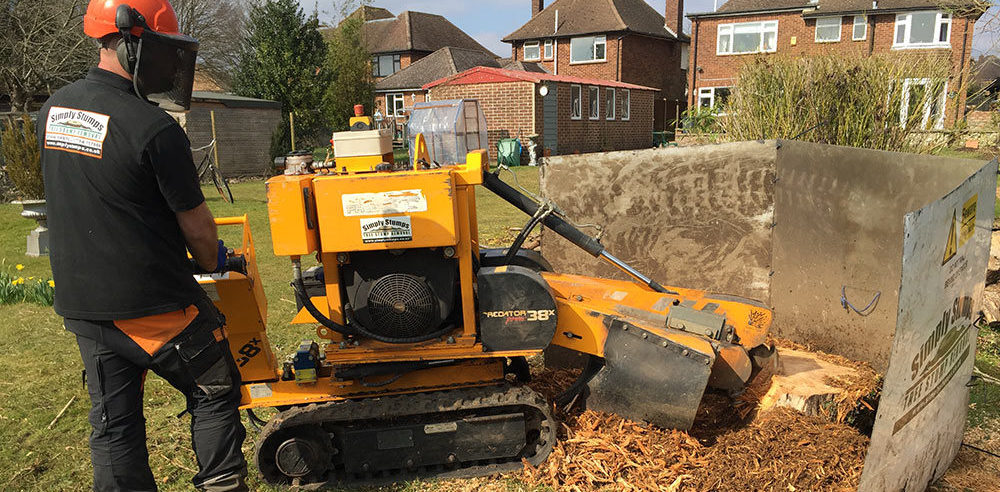
What Happens Underground After Stump Grinding Is Completed?
Stump grinding is not merely the end of a surface-level process; it initiates a series of subterranean changes that can last for decades. With many landowners and forest managers focusing on efficient site preparation, the often unseen effects underground deserve closer inspection. The following sections delve into how stump grinding impacts soil chemistry, vegetation dynamics, and overall ecosystem health.
The below-ground world is brimming with life and influential processes. Understanding these natural yet complex changes can help you plan more effective land management strategies and ensure that sustainable practices follow even after stumps are ground down.
Impact on Soil Nutrient Levels
Changes in Soil Carbon and Nitrogen Content
When considering stump grinding near me, it’s important to understand its potential impact on soil health. Research from the U.S. Forest Service Research and Development shows that stump removal and grinding can cause measurable changes in soil nutrients, including a 21% reduction in soil carbon and a 35% reduction in soil nitrogen compared to undisturbed areas. These nutrients are essential for healthy plant growth and long-term soil stability.
Stump grinding near me can disturb soil structure more than many property owners anticipate. The grinding process breaks down organic matter and alters microbial activity, which directly affects nutrient cycling. As soil carbon levels decline, the soil’s ability to retain moisture and nutrients is reduced, potentially affecting surrounding plants and landscape performance.
The decrease in nitrogen is particularly important for understory vegetation. Since nitrogen is often a limiting nutrient, changes caused by stump grinding near me may lead to slower plant growth and shifts in species competition. Over time, these nutrient imbalances can contribute to reduced plant diversity and a simplified ecosystem.
Long-Term Effects on Soil Chemistry
The effects of stump grinding extend well beyond the immediate aftermath. The chemical changes in the soil persist over years, gradually impacting microbial communities. These microscopic organisms play a vital role in breaking down organic matter and recycling nutrients.
Reduced levels of carbon and nitrogen can alter the chemical composition of the soil. This means that the usual symbiotic relationships between plant roots and soil microbes may falter, and slow recovery of the soil is often observed. Such alterations could potentially reduce the resilience of ecosystems facing other environmental challenges.
Local land managers need to consider remedial actions. Adding organic matter or using biochar can help restore some of the lost nutrients. Each management strategy aims to re-establish the critical microbial interactions that contribute to soil fertility and overall ecosystem health.
Effects on Understory Vegetation
Changes in Plant Community Composition
Understory vegetation often reflects the cumulative impact of soil nutrient changes caused by stump grinding. As reported by sources on ScienceDirect, the effects of stump removal can alter plant community composition over several decades. The decline in key nutrients limits the number of species that can thrive, potentially reducing biodiversity.
Plants that previously competed on a level playing field may now face difficulties. Species that can tolerate nutrient-poor conditions might gain an advantage, leading to a dominance of a few hardy varieties. In some cases, reduced soil fertility can even allow invasive species to establish themselves, further altering the balance of the ecosystem.
Understanding these shifts is crucial for those looking to promote biodiversity. Implementing restoration or enrichment planting with native species can help maintain the ecological integrity of the site. Active management and regular monitoring can provide the conditions needed for a diverse array of plants to prosper.
The Role of Soil Disturbance
Stump grinding produces considerable soil surface disturbance. This disruption affects the various layers of the soil and, in turn, changes how plants interact with their environment. The physical mixing and redistribution of soil particles create a patchwork of conditions conducive to different kinds of vegetation.
However, the disturbance may not uniformly benefit all species. While some roots find new anchorage points or opportunities to access nutrients, others may suffer from the altered soil structure. The prolonged impact on soil nitrogen and carbon content can lead to patches where only the hardiest species can remain.
Fortunately, a deeper understanding of these soil dynamics can inform post-grinding management. Landowners can experiment with soil amendments or mulches to protect vulnerable areas and facilitate the gradual recovery of a more heterogeneous plant community.
Subterranean Ecosystem Processes
Effects on Microbial Activity
Stump grinding directly influences the microbial populations that sustain below-ground nutrient cycling. Microbes rely on organic carbon and nitrogen to thrive, and when these are reduced, the efficiency of nutrient breakdown reduces significantly. The intricate ecosystem that depends on these processes becomes less robust.
Healthy microbial communities are essential for breaking down dead material and facilitating nutrient exchange. When their populations are upset by the physical and chemical disturbances of stump grinding, simply put, the soil takes longer to heal.
This prolonged shift in microbial dynamics creates conditions that may favour certain opportunistic organisms over more beneficial ones. Over time, the altered microbial balance further complicates the recovery of natural soil functions.
Impact on Soil Structure and Water Retention
The physical disturbance from stump removal does not only affect nutrients-it also changes the structure of the soil. The grind marks left behind can compact the underlying layers, reducing their porosity and affecting water movement. Compacted soil struggles to absorb water efficiently, making it more susceptible to erosion.
Water retention is critical during periods of drought and for sustaining the life of understorey vegetation. When the soil holds less water, plants must adapt to ever-changing moisture levels, which can lead to reduced growth, especially for species most sensitive to water stress.
Efforts to alleviate compaction, such as aeration or the incorporation of organic mulches, can help restore the balance. The right interventions, timed correctly, not only improve water retention but also support the return of a thriving soil microbial community.
Practical Implications for Land Management
Strategies for Mitigating Soil Nutrient Loss
Recognising the nutrient losses associated with stump grinding is the first step. Foresters and land managers can adopt several strategies that help mitigate these effects. One common approach is the reintroduction of organic matter into the soil, which can help offset lost carbon and nitrogen.
The use of compost, well-rotted manure, or green manure crops may provide an effective solution. Organic amendments not only replenish lost nutrients but also improve soil structure and increase microbial diversity, setting the stage for a faster recovery.
A gradual reintroduction of desired plant species can also help. Care should be taken to select native plants that are well-adapted to the local conditions. They may be more resilient when faced with lower nutrient availability and can eventually contribute to a more balanced ecosystem.
Soil Conservation Techniques
In parts of Australia, soil conservation techniques are crucial for maintaining land productivity. After stump grinding, steps such as controlled traffic farming and minimal tillage provide substantial benefits. These techniques help maintain soil structure, which in turn preserves both moisture and microbial life.
A key objective is to avoid deep disturbances that can exacerbate nutrient loss. Keeping the soil as intact as possible ensures that the natural process of nutrient cycling remains relatively undisturbed. Given the delicate equilibrium in these soils, even minor alterations can have long-lasting effects.
Using cover crops is another effective method. Cover crops can prevent soil erosion, add organic matter to the soil and serve as a living barrier against weeds. Their roots also help maintain soil structure and can gradually uplift the nutritional status of the soil in a more natural, sustainable manner.
Understanding the Broader Environmental Impact
Long-Lasting Ecosystem Alterations
The direct consequences of stump grinding reach far beyond the immediate loss of nutrients. Studies indicate that changes in soil carbon and nitrogen persist for years, affecting not only plant communities but also the interactions between different ecosystem components. Over time, these changes can contribute to a noticeable shift in the overall biodiversity of the area.
It’s not surprising that the gradual alteration of the soil chemistry plays a significant role in how ecosystems develop post-grinding. The longevity of these effects calls for proactive measures on the part of those managing these lands to ensure the restoration of a balanced ecosystem.
Careful, sustained management practices such as strategic replanting, soil amendment, and conservation tillage can help reverse some of the negative impacts. Each step taken can contribute to an environment that regains its former robustness and biodiversity.
Implications for Wildlife and Biodiversity
The loss of nutrients such as carbon and nitrogen in the soil inevitably affects local wildlife. Small mammals, ground-nesting birds, and various invertebrates that rely on a stable, nutrient-rich habitat can find themselves at a disadvantage following significant soil disturbance.
Wildlife species often depend on the understory vegetation for food and shelter. With altered plant communities, creatures that once thrived in the area may have to relocate or adapt to less ideal conditions. The change in understory structure could disrupt entire food webs that have formed over many generations.
Maintaining a diverse understory can help support a wide range of wildlife. Restorative practices including planting native species and managing invasive ones are critical. These efforts are key in ensuring a resilient ecosystem that provides habitats for diverse species in the long term.
Challenges and Opportunities in Post-Grinding Recovery
Adaptive Land Management Practices
Every site is unique. Adaptive management strategies allow landowners to tailor their recovery actions to their specific soil conditions. Often, the first step is a thorough assessment of soil quality and nutrient levels before any restorative measures are implemented.
Regular soil tests can identify the extent of nutrient loss and help determine the right amount of organic matter or fertilizers to introduce. In many regions, practical advice is available from local agricultural extensions or environmental agencies, ensuring that land managers meet both productivity and sustainability goals.
Adapting to the changes means recognising the need for a flexible, informed approach. Ecosystem recovery is rarely instantaneous. A clear plan that embraces gradual, measurable improvements is the best way forward.
Incorporating Native Species in Recovery Plans
Native species are well-equipped to thrive in local conditions. Their inclusion in recovery projects is often key to re-establishing a balanced soil ecosystem. Australian landscapes, for example, are home to many indigenous plant species that have evolved to cope with local soil disturbances.
Introducing such species as part of restoration efforts can help stabilise soil structure and gradually rebuild organic content. Native plants offer several benefits, including enhanced moisture retention and improved habitat quality for local wildlife.
Moreover, the aesthetic and ecological benefits of using local flora explain why many land managers adopt this integrated approach. The eventual outcome should be a more resilient ecosystem, with a soil structure and composition that closely mirror natural, undisturbed conditions.
Future Directions and Research Needs
Advancements in Soil Recovery Techniques
New research continues to shed light on the complex interactions between soil recovery techniques and long-term ecosystem health. Innovations in organic amendments and restoration practices hold promise for mitigating the disruption caused by stump grinding.
Researchers are experimenting with more efficient organic fertilisers and soil conditioners that may offer quicker recovery of carbon and nitrogen levels. These advancements could provide practical solutions for areas heavily impacted by stump removal.
Continued funding and research in this field are crucial. Both academic institutions and practical field experience contribute to refining best practices that balance economic interests with ecological health. The evolving landscape of agricultural science continually opens up new avenues for innovation in soil restoration.
Monitoring and Data Collection Efforts
Long-term monitoring is essential to understand the full impact of stump grinding on soil and overall ecosystem health. Consistent data collection over several years allows researchers to observe the cumulative effects on nutrient dynamics and vegetation changes. Such insights can help refine intervention strategies in future cases.
Technology plays a vital role during the monitoring phase. With advances in soil sensors and remote monitoring systems, managers now have better ways of tracking soil moisture, nutrient levels, and compaction over time. This continuous stream of data helps build a clearer picture of the recovery process.
By placing an emphasis on monitoring, land managers are better equipped to adjust their practices in real time. The integration of modern technology with traditional land management strategies creates a proactive rather than reactive approach to soil health.
Steps for a More Sustainable Future
Integrating Sustainability into Land Management
Stump grinding should be seen as one part of a long-term management strategy focused on sustainability. The initial loss of soil nutrients presents challenges, but these can be addressed through considered, adaptive practices. A sustainable approach recognises the ecological importance of the soil and works hard to restore its balance.
Practical measures such as the application of organic soil amendments, reduced tillage practices, and the reintroduction of diverse plant species are all effective. Emphasising sustainability in every step ensures that the negative aftermath of stump grinding is avoided or at least minimised.
Building sustainable practices into regular land management routines not only preserves the local ecology but also promotes a healthier, richer soil ecosystem in the long run. Tailoring these practices to suit specific site conditions can have a tremendous positive impact.
Community and Policy Engagement
Community involvement and supportive policies are critical when addressing the aftermath of stump removal. Local landholders, environmental groups, and government bodies all have roles to play. Sharing knowledge about the research findings and suggesting best practices can lead to stronger, community-driven conservation efforts.
Policy initiatives that promote soil conservation measures, proper land management education, and the implementation of restoration techniques can significantly influence the landscape. Successful policies not only benefit the local environment but also create a framework that supports sustainable practices nationwide.
Engaging with the community helps to spread awareness of both the challenges and potential solutions following stump grinding. Regular workshops, informative sessions and demonstration projects can all contribute towards better, scientifically informed practices across the board.
Conclusion: Embracing the Hidden Dynamics
Reflecting on Under-Ground Changes
After the physical process of stump grinding is completed, a hidden world of change begins beneath the soil surface. The reduction in soil carbon and nitrogen from stump removal can set off a cascade of effects that alter everything from microbial communities to the types and health of plants that take root.
The domino effect witnessed in nutrient cycling and vegetation patterns underscores the importance of understanding these phenomena. By being mindful of these changes, land managers can implement strategies designed to restore both the appearance and function of the land.
It is a continuous journey-from recognising the initial disturbances to adopting techniques that nurture the soil back to health. The changes might be subtle at first, but their cumulative long-term impact paints a clear picture of the need for proactive soil stewardship.
A Call for Informed Action
Those in charge of land management now have a vital responsibility. With the knowledge that stump grinding influences soil nutrient levels, plant diversity, and microbial activity, every subsequent decision gains added importance. The underlying message is clear: sustainable practices are key.
By embracing innovative conservation methods and restoration techniques, it is possible to alleviate the adverse effects and to build a resilient ecosystem from the ground up. Engagement with scientific research and local community initiatives can further bolster these efforts.
Moving forward, a close collaboration between researchers, policymakers, and land managers will be instrumental. Only with a coordinated and informed approach can we ensure that the hidden dynamics beneath our feet are not just managed, but genuinely nurtured for the future.
- Assess soil conditions regularly
- Implement organic amendments where necessary
- Utilise conservation tillage and cover crops
- Engage with community projects and policy development
This comprehensive look into what happens underground after stump grinding emphasises the need for practical, informed measures. With informed strategies grounded in sound research and community collaboration, sustainable land management can truly flourish, even in the most disturbed soils.
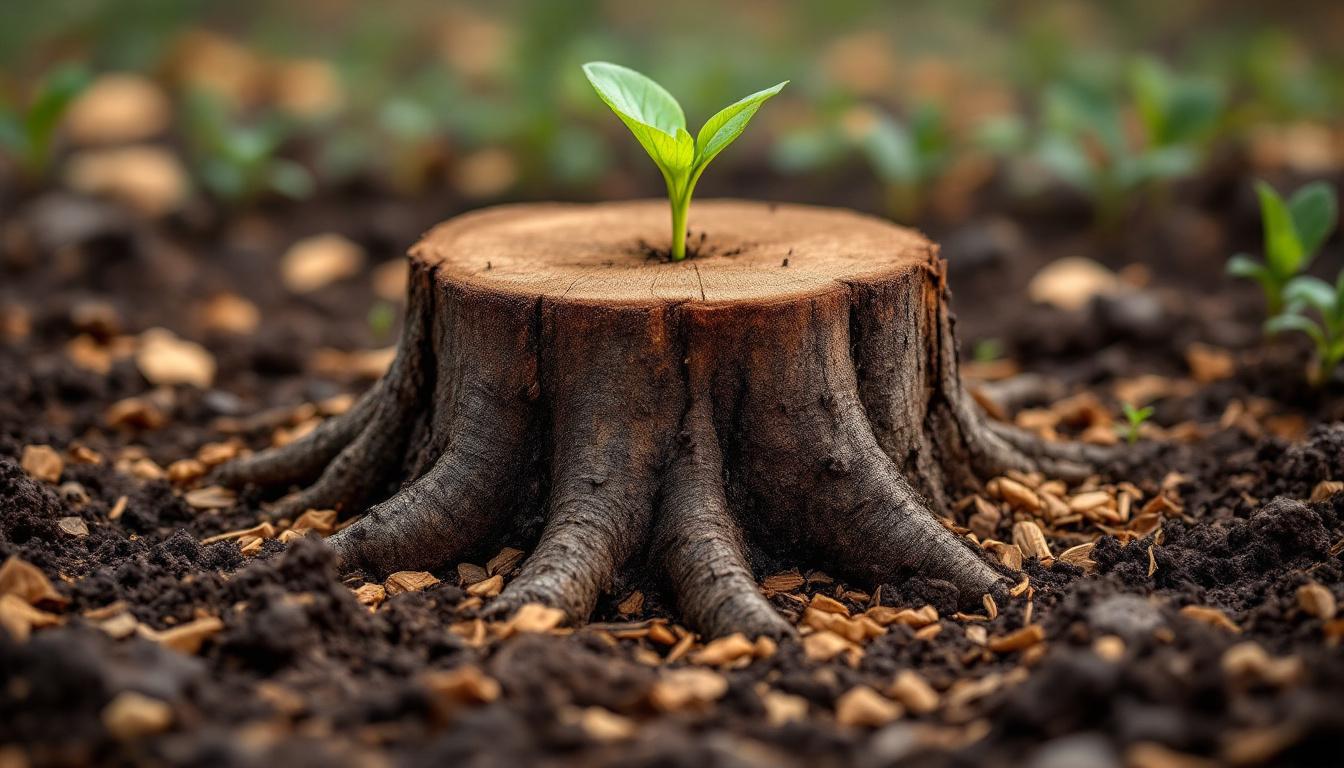
Discover what happens underground after stump grinding is completed.
What Happens Underground After Stump Grinding Is Completed?
Stump grinding is not merely the end of a surface-level process; it initiates a series of subterranean changes that can last for decades. With many landowners and forest managers focusing on efficient site preparation, the often unseen effects underground deserve closer inspection. The following sections delve into how stump grinding impacts soil chemistry, vegetation dynamics, and overall ecosystem health.
The below-ground world is brimming with life and influential processes. Understanding these natural yet complex changes can help you plan more effective land management strategies and ensure that sustainable practices follow even after stumps are ground down.
Impact on Soil Nutrient Levels
Changes in Soil Carbon and Nitrogen Content
Research highlights that stump removal and grinding can lead to significant shifts in soil nutrients. Studies by the U.S. Forest Service Research and Development reveal a 21% reduction in soil carbon and a 35% reduction in soil nitrogen compared to control areas. These changes are important because soil carbon and nitrogen are foundational elements for healthy plant growth.
Stump grinding disturbs the soil structure more than one might expect. The process breaks down organic matter, affecting microbial activity which in turn alters nutrient cycling. When soil carbon declines, the ability of the soil to retain water and nutrients diminishes. This can have a cascading effect on plant productivity and ecosystem balance.
The reduction in nitrogen is particularly significant for understory vegetation. Nitrogen is often a limiting nutrient in many ecosystems. Changes in its availability could mean less vigorous plant growth and shifts in competitive dynamics among species. In time, these nutrient imbalances may lead to a simplification of the plant community.
Long-Term Effects on Soil Chemistry
The effects of stump grinding extend well beyond the immediate aftermath. The chemical changes in the soil persist over years, gradually impacting microbial communities. These microscopic organisms play a vital role in breaking down organic matter and recycling nutrients.
Reduced levels of carbon and nitrogen can alter the chemical composition of the soil. This means that the usual symbiotic relationships between plant roots and soil microbes may falter, and slow recovery of the soil is often observed. Such alterations could potentially reduce the resilience of ecosystems facing other environmental challenges.
Local land managers need to consider remedial actions. Adding organic matter or using biochar can help restore some of the lost nutrients. Each management strategy aims to re-establish the critical microbial interactions that contribute to soil fertility and overall ecosystem health.
Effects on Understory Vegetation
Changes in Plant Community Composition
Understory vegetation often reflects the cumulative impact of soil nutrient changes caused by stump grinding. As reported by sources on ScienceDirect, the effects of stump removal can alter plant community composition over several decades. The decline in key nutrients limits the number of species that can thrive, potentially reducing biodiversity.
Plants that previously competed on a level playing field may now face difficulties. Species that can tolerate nutrient-poor conditions might gain an advantage, leading to a dominance of a few hardy varieties. In some cases, reduced soil fertility can even allow invasive species to establish themselves, further altering the balance of the ecosystem.
Understanding these shifts is crucial for those looking to promote biodiversity. Implementing restoration or enrichment planting with native species can help maintain the ecological integrity of the site. Active management and regular monitoring can provide the conditions needed for a diverse array of plants to prosper.
The Role of Soil Disturbance
Stump grinding produces considerable soil surface disturbance. This disruption affects the various layers of the soil and, in turn, changes how plants interact with their environment. The physical mixing and redistribution of soil particles create a patchwork of conditions conducive to different kinds of vegetation.
However, the disturbance may not uniformly benefit all species. While some roots find new anchorage points or opportunities to access nutrients, others may suffer from the altered soil structure. The prolonged impact on soil nitrogen and carbon content can lead to patches where only the hardiest species can remain.
Fortunately, a deeper understanding of these soil dynamics can inform post-grinding management. Landowners can experiment with soil amendments or mulches to protect vulnerable areas and facilitate the gradual recovery of a more heterogeneous plant community.
Subterranean Ecosystem Processes
Effects on Microbial Activity
Stump grinding directly influences the microbial populations that sustain below-ground nutrient cycling. Microbes rely on organic carbon and nitrogen to thrive, and when these are reduced, the efficiency of nutrient breakdown reduces significantly. The intricate ecosystem that depends on these processes becomes less robust.
Healthy microbial communities are essential for breaking down dead material and facilitating nutrient exchange. When their populations are upset by the physical and chemical disturbances of stump grinding, simply put, the soil takes longer to heal.
This prolonged shift in microbial dynamics creates conditions that may favour certain opportunistic organisms over more beneficial ones. Over time, the altered microbial balance further complicates the recovery of natural soil functions.
Impact on Soil Structure and Water Retention
The physical disturbance from stump removal does not only affect nutrients-it also changes the structure of the soil. The grind marks left behind can compact the underlying layers, reducing their porosity and affecting water movement. Compacted soil struggles to absorb water efficiently, making it more susceptible to erosion.
Water retention is critical during periods of drought and for sustaining the life of understorey vegetation. When the soil holds less water, plants must adapt to ever-changing moisture levels, which can lead to reduced growth, especially for species most sensitive to water stress.
Efforts to alleviate compaction, such as aeration or the incorporation of organic mulches, can help restore the balance. The right interventions, timed correctly, not only improve water retention but also support the return of a thriving soil microbial community.
Practical Implications for Land Management
Strategies for Mitigating Soil Nutrient Loss
Recognising the nutrient losses associated with stump grinding is the first step. Foresters and land managers can adopt several strategies that help mitigate these effects. One common approach is the reintroduction of organic matter into the soil, which can help offset lost carbon and nitrogen.
The use of compost, well-rotted manure, or green manure crops may provide an effective solution. Organic amendments not only replenish lost nutrients but also improve soil structure and increase microbial diversity, setting the stage for a faster recovery.
A gradual reintroduction of desired plant species can also help. Care should be taken to select native plants that are well-adapted to the local conditions. They may be more resilient when faced with lower nutrient availability and can eventually contribute to a more balanced ecosystem.
Soil Conservation Techniques
In parts of Australia, soil conservation techniques are crucial for maintaining land productivity. After stump grinding, steps such as controlled traffic farming and minimal tillage provide substantial benefits. These techniques help maintain soil structure, which in turn preserves both moisture and microbial life.
A key objective is to avoid deep disturbances that can exacerbate nutrient loss. Keeping the soil as intact as possible ensures that the natural process of nutrient cycling remains relatively undisturbed. Given the delicate equilibrium in these soils, even minor alterations can have long-lasting effects.
Using cover crops is another effective method. Cover crops can prevent soil erosion, add organic matter to the soil and serve as a living barrier against weeds. Their roots also help maintain soil structure and can gradually uplift the nutritional status of the soil in a more natural, sustainable manner.
Understanding the Broader Environmental Impact
Long-Lasting Ecosystem Alterations
The direct consequences of stump grinding reach far beyond the immediate loss of nutrients. Studies indicate that changes in soil carbon and nitrogen persist for years, affecting not only plant communities but also the interactions between different ecosystem components. Over time, these changes can contribute to a noticeable shift in the overall biodiversity of the area.
It’s not surprising that the gradual alteration of the soil chemistry plays a significant role in how ecosystems develop post-grinding. The longevity of these effects calls for proactive measures on the part of those managing these lands to ensure the restoration of a balanced ecosystem.
Careful, sustained management practices such as strategic replanting, soil amendment, and conservation tillage can help reverse some of the negative impacts. Each step taken can contribute to an environment that regains its former robustness and biodiversity.
Implications for Wildlife and Biodiversity
The loss of nutrients such as carbon and nitrogen in the soil inevitably affects local wildlife. Small mammals, ground-nesting birds, and various invertebrates that rely on a stable, nutrient-rich habitat can find themselves at a disadvantage following significant soil disturbance.
Wildlife species often depend on the understory vegetation for food and shelter. With altered plant communities, creatures that once thrived in the area may have to relocate or adapt to less ideal conditions. The change in understory structure could disrupt entire food webs that have formed over many generations.
Maintaining a diverse understory can help support a wide range of wildlife. Restorative practices including planting native species and managing invasive ones are critical. These efforts are key in ensuring a resilient ecosystem that provides habitats for diverse species in the long term.
Challenges and Opportunities in Post-Grinding Recovery
Adaptive Land Management Practices
Every site is unique. Adaptive management strategies allow landowners to tailor their recovery actions to their specific soil conditions. Often, the first step is a thorough assessment of soil quality and nutrient levels before any restorative measures are implemented.
Regular soil tests can identify the extent of nutrient loss and help determine the right amount of organic matter or fertilizers to introduce. In many regions, practical advice is available from local agricultural extensions or environmental agencies, ensuring that land managers meet both productivity and sustainability goals.
Adapting to the changes means recognising the need for a flexible, informed approach. Ecosystem recovery is rarely instantaneous. A clear plan that embraces gradual, measurable improvements is the best way forward.
Incorporating Native Species in Recovery Plans
Native species are well-equipped to thrive in local conditions. Their inclusion in recovery projects is often key to re-establishing a balanced soil ecosystem. Australian landscapes, for example, are home to many indigenous plant species that have evolved to cope with local soil disturbances.
Introducing such species as part of restoration efforts can help stabilise soil structure and gradually rebuild organic content. Native plants offer several benefits, including enhanced moisture retention and improved habitat quality for local wildlife.
Moreover, the aesthetic and ecological benefits of using local flora explain why many land managers adopt this integrated approach. The eventual outcome should be a more resilient ecosystem, with a soil structure and composition that closely mirror natural, undisturbed conditions.
Future Directions and Research Needs
Advancements in Soil Recovery Techniques
New research continues to shed light on the complex interactions between soil recovery techniques and long-term ecosystem health. Innovations in organic amendments and restoration practices hold promise for mitigating the disruption caused by stump grinding.
Researchers are experimenting with more efficient organic fertilisers and soil conditioners that may offer quicker recovery of carbon and nitrogen levels. These advancements could provide practical solutions for areas heavily impacted by stump removal.
Continued funding and research in this field are crucial. Both academic institutions and practical field experience contribute to refining best practices that balance economic interests with ecological health. The evolving landscape of agricultural science continually opens up new avenues for innovation in soil restoration.
Monitoring and Data Collection Efforts
Long-term monitoring is essential to understand the full impact of stump grinding on soil and overall ecosystem health. Consistent data collection over several years allows researchers to observe the cumulative effects on nutrient dynamics and vegetation changes. Such insights can help refine intervention strategies in future cases.
Technology plays a vital role during the monitoring phase. With advances in soil sensors and remote monitoring systems, managers now have better ways of tracking soil moisture, nutrient levels, and compaction over time. This continuous stream of data helps build a clearer picture of the recovery process.
By placing an emphasis on monitoring, land managers are better equipped to adjust their practices in real time. The integration of modern technology with traditional land management strategies creates a proactive rather than reactive approach to soil health.
Steps for a More Sustainable Future
Integrating Sustainability into Land Management
Stump grinding should be seen as one part of a long-term management strategy focused on sustainability. The initial loss of soil nutrients presents challenges, but these can be addressed through considered, adaptive practices. A sustainable approach recognises the ecological importance of the soil and works hard to restore its balance.
Practical measures such as the application of organic soil amendments, reduced tillage practices, and the reintroduction of diverse plant species are all effective. Emphasising sustainability in every step ensures that the negative aftermath of stump grinding is avoided or at least minimised.
Building sustainable practices into regular land management routines not only preserves the local ecology but also promotes a healthier, richer soil ecosystem in the long run. Tailoring these practices to suit specific site conditions can have a tremendous positive impact.
Community and Policy Engagement
Community involvement and supportive policies are critical when addressing the aftermath of stump removal. Local landholders, environmental groups, and government bodies all have roles to play. Sharing knowledge about the research findings and suggesting best practices can lead to stronger, community-driven conservation efforts.
Policy initiatives that promote soil conservation measures, proper land management education, and the implementation of restoration techniques can significantly influence the landscape. Successful policies not only benefit the local environment but also create a framework that supports sustainable practices nationwide.
Engaging with the community helps to spread awareness of both the challenges and potential solutions following stump grinding. Regular workshops, informative sessions and demonstration projects can all contribute towards better, scientifically informed practices across the board. Click here to get more about tree stump removal compared across 3 common methods.
Conclusion: Embracing the Hidden Dynamics
Reflecting on Under-Ground Changes
After the physical process of stump grinding is completed, a hidden world of change begins beneath the soil surface. The reduction in soil carbon and nitrogen from stump removal can set off a cascade of effects that alter everything from microbial communities to the types and health of plants that take root.
The domino effect witnessed in nutrient cycling and vegetation patterns underscores the importance of understanding these phenomena. By being mindful of these changes, land managers can implement strategies designed to restore both the appearance and function of the land.
It is a continuous journey-from recognising the initial disturbances to adopting techniques that nurture the soil back to health. The changes might be subtle at first, but their cumulative long-term impact paints a clear picture of the need for proactive soil stewardship.
A Call for Informed Action
Those in charge of land management now have a vital responsibility. With the knowledge that stump grinding influences soil nutrient levels, plant diversity, and microbial activity, every subsequent decision gains added importance. The underlying message is clear: sustainable practices are key.
By embracing innovative conservation methods and restoration techniques, it is possible to alleviate the adverse effects and to build a resilient ecosystem from the ground up. Engagement with scientific research and local community initiatives can further bolster these efforts.
Moving forward, a close collaboration between researchers, policymakers, and land managers will be instrumental. Only with a coordinated and informed approach can we ensure that the hidden dynamics beneath our feet are not just managed, but genuinely nurtured for the future.
- Assess soil conditions regularly
- Implement organic amendments where necessary
- Utilise conservation tillage and cover crops
- Engage with community projects and policy development
This comprehensive look into what happens underground after stump grinding emphasises the need for practical, informed measures. With informed strategies grounded in sound research and community collaboration, sustainable land management can truly flourish, even in the most disturbed soils.
Discover what happens underground after stump grinding is completed.
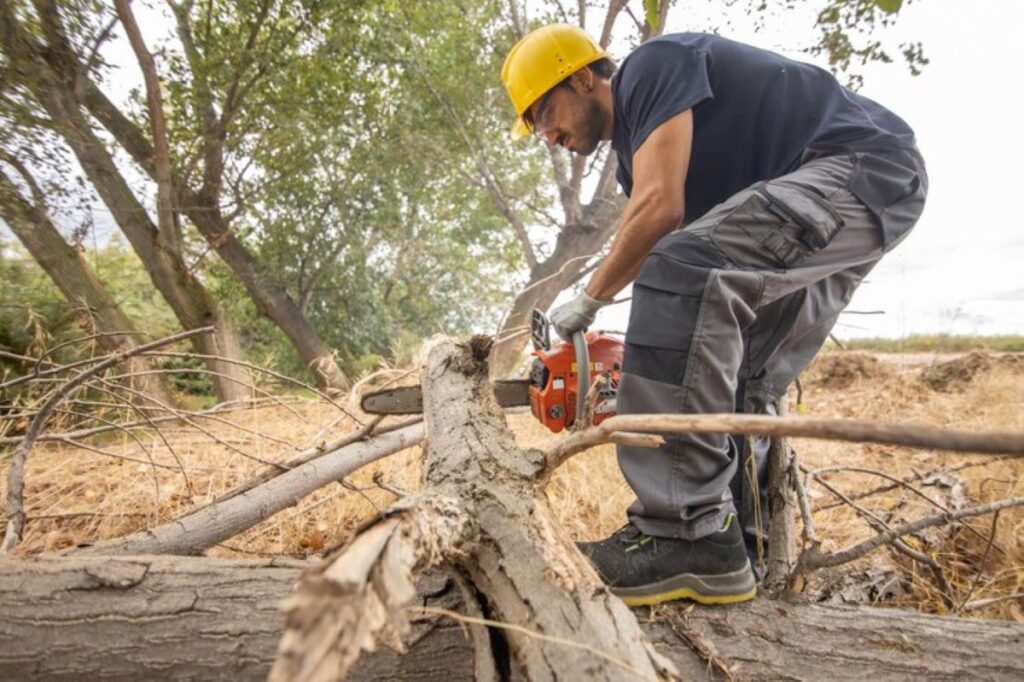
What Happens Underground After Stump Grinding Is Completed?
Stump grinding is not merely the end of a surface-level process; it initiates a series of subterranean changes that can last for decades. With many landowners and forest managers focusing on efficient site preparation, the often unseen effects underground deserve closer inspection. The following sections delve into how stump grinding impacts soil chemistry, vegetation dynamics, and overall ecosystem health.
The below-ground world is brimming with life and influential processes. Understanding these natural yet complex changes can help you plan more effective land management strategies and ensure that sustainable practices follow even after stumps are ground down.
Impact on Soil Nutrient Levels
Changes in Soil Carbon and Nitrogen Content
Research highlights that stump removal and grinding can lead to significant shifts in soil nutrients. Studies by the U.S. Forest Service Research and Development reveal a 21% reduction in soil carbon and a 35% reduction in soil nitrogen compared to control areas. These changes are important because soil carbon and nitrogen are foundational elements for healthy plant growth.
Stump grinding disturbs the soil structure more than one might expect. The process breaks down organic matter, affecting microbial activity which in turn alters nutrient cycling. When soil carbon declines, the ability of the soil to retain water and nutrients diminishes. This can have a cascading effect on plant productivity and ecosystem balance.
The reduction in nitrogen is particularly significant for understory vegetation. Nitrogen is often a limiting nutrient in many ecosystems. Changes in its availability could mean less vigorous plant growth and shifts in competitive dynamics among species. In time, these nutrient imbalances may lead to a simplification of the plant community.
Long-Term Effects on Soil Chemistry
The effects of stump grinding extend well beyond the immediate aftermath. The chemical changes in the soil persist over years, gradually impacting microbial communities. These microscopic organisms play a vital role in breaking down organic matter and recycling nutrients.
Reduced levels of carbon and nitrogen can alter the chemical composition of the soil. This means that the usual symbiotic relationships between plant roots and soil microbes may falter, and slow recovery of the soil is often observed. Such alterations could potentially reduce the resilience of ecosystems facing other environmental challenges.
Local land managers need to consider remedial actions. Adding organic matter or using biochar can help restore some of the lost nutrients. Each management strategy aims to re-establish the critical microbial interactions that contribute to soil fertility and overall ecosystem health.
Effects on Understory Vegetation
Changes in Plant Community Composition
Understory vegetation often reflects the cumulative impact of soil nutrient changes caused by stump grinding. As reported by sources on ScienceDirect, the effects of stump removal can alter plant community composition over several decades. The decline in key nutrients limits the number of species that can thrive, potentially reducing biodiversity.
Plants that previously competed on a level playing field may now face difficulties. Species that can tolerate nutrient-poor conditions might gain an advantage, leading to a dominance of a few hardy varieties. In some cases, reduced soil fertility can even allow invasive species to establish themselves, further altering the balance of the ecosystem.
Understanding these shifts is crucial for those looking to promote biodiversity. Implementing restoration or enrichment planting with native species can help maintain the ecological integrity of the site. Active management and regular monitoring can provide the conditions needed for a diverse array of plants to prosper.
The Role of Soil Disturbance
Stump grinding produces considerable soil surface disturbance. This disruption affects the various layers of the soil and, in turn, changes how plants interact with their environment. The physical mixing and redistribution of soil particles create a patchwork of conditions conducive to different kinds of vegetation.
However, the disturbance may not uniformly benefit all species. While some roots find new anchorage points or opportunities to access nutrients, others may suffer from the altered soil structure. The prolonged impact on soil nitrogen and carbon content can lead to patches where only the hardiest species can remain.
Fortunately, a deeper understanding of these soil dynamics can inform post-grinding management. Landowners can experiment with soil amendments or mulches to protect vulnerable areas and facilitate the gradual recovery of a more heterogeneous plant community.
Subterranean Ecosystem Processes
Effects on Microbial Activity
Stump grinding directly influences the microbial populations that sustain below-ground nutrient cycling. Microbes rely on organic carbon and nitrogen to thrive, and when these are reduced, the efficiency of nutrient breakdown reduces significantly. The intricate ecosystem that depends on these processes becomes less robust.
Healthy microbial communities are essential for breaking down dead material and facilitating nutrient exchange. When their populations are upset by the physical and chemical disturbances of stump grinding, simply put, the soil takes longer to heal.
This prolonged shift in microbial dynamics creates conditions that may favour certain opportunistic organisms over more beneficial ones. Over time, the altered microbial balance further complicates the recovery of natural soil functions.
Impact on Soil Structure and Water Retention
The physical disturbance from stump removal does not only affect nutrients-it also changes the structure of the soil. The grind marks left behind can compact the underlying layers, reducing their porosity and affecting water movement. Compacted soil struggles to absorb water efficiently, making it more susceptible to erosion.
Water retention is critical during periods of drought and for sustaining the life of understorey vegetation. When the soil holds less water, plants must adapt to ever-changing moisture levels, which can lead to reduced growth, especially for species most sensitive to water stress.
Efforts to alleviate compaction, such as aeration or the incorporation of organic mulches, can help restore the balance. The right interventions, timed correctly, not only improve water retention but also support the return of a thriving soil microbial community.
Practical Implications for Land Management
Strategies for Mitigating Soil Nutrient Loss
Recognising the nutrient losses associated with stump grinding is the first step. Foresters and land managers can adopt several strategies that help mitigate these effects. One common approach is the reintroduction of organic matter into the soil, which can help offset lost carbon and nitrogen.
The use of compost, well-rotted manure, or green manure crops may provide an effective solution. Organic amendments not only replenish lost nutrients but also improve soil structure and increase microbial diversity, setting the stage for a faster recovery.
A gradual reintroduction of desired plant species can also help. Care should be taken to select native plants that are well-adapted to the local conditions. They may be more resilient when faced with lower nutrient availability and can eventually contribute to a more balanced ecosystem.
Soil Conservation Techniques
In parts of Australia, soil conservation techniques are crucial for maintaining land productivity. After stump grinding, steps such as controlled traffic farming and minimal tillage provide substantial benefits. These techniques help maintain soil structure, which in turn preserves both moisture and microbial life.
A key objective is to avoid deep disturbances that can exacerbate nutrient loss. Keeping the soil as intact as possible ensures that the natural process of nutrient cycling remains relatively undisturbed. Given the delicate equilibrium in these soils, even minor alterations can have long-lasting effects.
Using cover crops is another effective method. Cover crops can prevent soil erosion, add organic matter to the soil and serve as a living barrier against weeds. Their roots also help maintain soil structure and can gradually uplift the nutritional status of the soil in a more natural, sustainable manner.
Understanding the Broader Environmental Impact
Long-Lasting Ecosystem Alterations
The direct consequences of stump grinding reach far beyond the immediate loss of nutrients. Studies indicate that changes in soil carbon and nitrogen persist for years, affecting not only plant communities but also the interactions between different ecosystem components. Over time, these changes can contribute to a noticeable shift in the overall biodiversity of the area.
It’s not surprising that the gradual alteration of the soil chemistry plays a significant role in how ecosystems develop post-grinding. The longevity of these effects calls for proactive measures on the part of those managing these lands to ensure the restoration of a balanced ecosystem.
Careful, sustained management practices such as strategic replanting, soil amendment, and conservation tillage can help reverse some of the negative impacts. Each step taken can contribute to an environment that regains its former robustness and biodiversity.
Implications for Wildlife and Biodiversity
The loss of nutrients such as carbon and nitrogen in the soil inevitably affects local wildlife. Small mammals, ground-nesting birds, and various invertebrates that rely on a stable, nutrient-rich habitat can find themselves at a disadvantage following significant soil disturbance.
Wildlife species often depend on the understory vegetation for food and shelter. With altered plant communities, creatures that once thrived in the area may have to relocate or adapt to less ideal conditions. The change in understory structure could disrupt entire food webs that have formed over many generations.
Maintaining a diverse understory can help support a wide range of wildlife. Restorative practices including planting native species and managing invasive ones are critical. These efforts are key in ensuring a resilient ecosystem that provides habitats for diverse species in the long term.
Challenges and Opportunities in Post-Grinding Recovery
Adaptive Land Management Practices
Every site is unique. Adaptive management strategies allow landowners to tailor their recovery actions to their specific soil conditions. Often, the first step is a thorough assessment of soil quality and nutrient levels before any restorative measures are implemented.
Regular soil tests can identify the extent of nutrient loss and help determine the right amount of organic matter or fertilizers to introduce. In many regions, practical advice is available from local agricultural extensions or environmental agencies, ensuring that land managers meet both productivity and sustainability goals.
Adapting to the changes means recognising the need for a flexible, informed approach. Ecosystem recovery is rarely instantaneous. A clear plan that embraces gradual, measurable improvements is the best way forward.
Incorporating Native Species in Recovery Plans
Native species are well-equipped to thrive in local conditions. Their inclusion in recovery projects is often key to re-establishing a balanced soil ecosystem. Australian landscapes, for example, are home to many indigenous plant species that have evolved to cope with local soil disturbances.
Introducing such species as part of restoration efforts can help stabilise soil structure and gradually rebuild organic content. Native plants offer several benefits, including enhanced moisture retention and improved habitat quality for local wildlife.
Moreover, the aesthetic and ecological benefits of using local flora explain why many land managers adopt this integrated approach. The eventual outcome should be a more resilient ecosystem, with a soil structure and composition that closely mirror natural, undisturbed conditions.
Future Directions and Research Needs
Advancements in Soil Recovery Techniques
New research continues to shed light on the complex interactions between soil recovery techniques and long-term ecosystem health. Innovations in organic amendments and restoration practices hold promise for mitigating the disruption caused by stump grinding.
Researchers are experimenting with more efficient organic fertilisers and soil conditioners that may offer quicker recovery of carbon and nitrogen levels. These advancements could provide practical solutions for areas heavily impacted by stump removal.
Continued funding and research in this field are crucial. Both academic institutions and practical field experience contribute to refining best practices that balance economic interests with ecological health. The evolving landscape of agricultural science continually opens up new avenues for innovation in soil restoration.
Monitoring and Data Collection Efforts
Long-term monitoring is essential to understand the full impact of stump grinding on soil and overall ecosystem health. Consistent data collection over several years allows researchers to observe the cumulative effects on nutrient dynamics and vegetation changes. Such insights can help refine intervention strategies in future cases.
Technology plays a vital role during the monitoring phase. With advances in soil sensors and remote monitoring systems, managers now have better ways of tracking soil moisture, nutrient levels, and compaction over time. This continuous stream of data helps build a clearer picture of the recovery process.
By placing an emphasis on monitoring, land managers are better equipped to adjust their practices in real time. The integration of modern technology with traditional land management strategies creates a proactive rather than reactive approach to soil health.
Steps for a More Sustainable Future
Integrating Sustainability into Land Management
Stump grinding should be seen as one part of a long-term management strategy focused on sustainability. The initial loss of soil nutrients presents challenges, but these can be addressed through considered, adaptive practices. A sustainable approach recognises the ecological importance of the soil and works hard to restore its balance.
Practical measures such as the application of organic soil amendments, reduced tillage practices, and the reintroduction of diverse plant species are all effective. Emphasising sustainability in every step ensures that the negative aftermath of stump grinding is avoided or at least minimised.
Building sustainable practices into regular land management routines not only preserves the local ecology but also promotes a healthier, richer soil ecosystem in the long run. Tailoring these practices to suit specific site conditions can have a tremendous positive impact.
Community and Policy Engagement
Community involvement and supportive policies are critical when addressing the aftermath of stump removal. Local landholders, environmental groups, and government bodies all have roles to play. Sharing knowledge about the research findings and suggesting best practices can lead to stronger, community-driven conservation efforts.
Policy initiatives that promote soil conservation measures, proper land management education, and the implementation of restoration techniques can significantly influence the landscape. Successful policies not only benefit the local environment but also create a framework that supports sustainable practices nationwide.
Engaging with the community helps to spread awareness of both the challenges and potential solutions following stump grinding. Regular workshops, informative sessions and demonstration projects can all contribute towards better, scientifically informed practices across the board.
Conclusion: Embracing the Hidden Dynamics
Reflecting on Under-Ground Changes
After the physical process of stump grinding is completed, a hidden world of change begins beneath the soil surface. The reduction in soil carbon and nitrogen from stump removal can set off a cascade of effects that alter everything from microbial communities to the types and health of plants that take root.
The domino effect witnessed in nutrient cycling and vegetation patterns underscores the importance of understanding these phenomena. By being mindful of these changes, land managers can implement strategies designed to restore both the appearance and function of the land.
It is a continuous journey-from recognising the initial disturbances to adopting techniques that nurture the soil back to health. The changes might be subtle at first, but their cumulative long-term impact paints a clear picture of the need for proactive soil stewardship.
A Call for Informed Action
Those in charge of land management now have a vital responsibility. With the knowledge that stump grinding influences soil nutrient levels, plant diversity, and microbial activity, every subsequent decision gains added importance. The underlying message is clear: sustainable practices are key.
By embracing innovative conservation methods and restoration techniques, it is possible to alleviate the adverse effects and to build a resilient ecosystem from the ground up. Engagement with scientific research and local community initiatives can further bolster these efforts.
Moving forward, a close collaboration between researchers, policymakers, and land managers will be instrumental. Only with a coordinated and informed approach can we ensure that the hidden dynamics beneath our feet are not just managed, but genuinely nurtured for the future.
- Assess soil conditions regularly
- Implement organic amendments where necessary
- Utilise conservation tillage and cover crops
- Engage with community projects and policy development
This comprehensive look into what happens underground after stump grinding emphasises the need for practical, informed measures. With informed strategies grounded in sound research and community collaboration, sustainable land management can truly flourish, even in the most disturbed soils.