

King Furniture Clearance Outlet Sydney: How to Score Premium Pieces for Less
This guide walks through how shoppers typically find genuine deals, avoid common traps, and leave with a piece that still feels “premium” once it’s in the home.
What is a King Furniture clearance outlet in Sydney, and how is it different from a regular store?
A clearance outlet is where they sell end of line stock, discontinued styles, customer returns, and floor models at reduced prices. The range is usually limited, and sizes, colours, and configurations can be one off.
Unlike a standard showroom, clearance is about what is available right now, not what can be ordered. That is why the best deals often go to shoppers who can decide quickly.
Why do premium King pieces end up in clearance in the first place?
Most items at a king furniture clearance outlet Sydney shoppers explore are not discounted due to quality concerns. They are typically allocated to clearance because a range has been refreshed, a fabric line discontinued, outer packaging compromised, or a customer return cannot be retailed as brand new under standard inventory protocols.
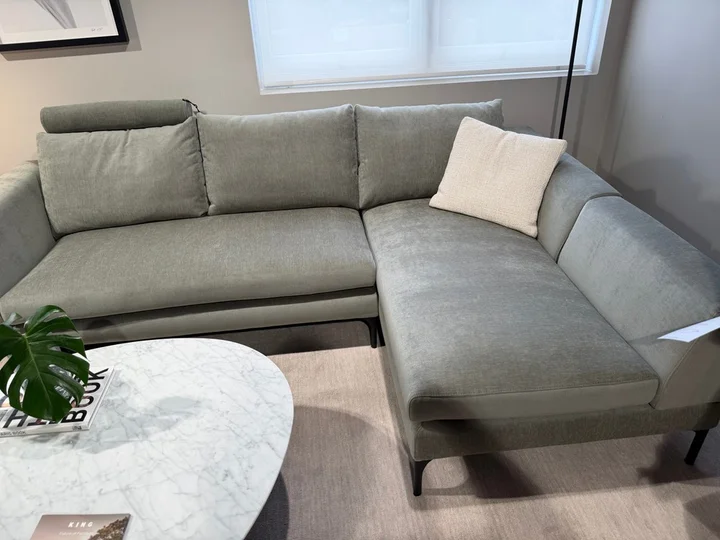
Floor stock is also a common component of king furniture clearance outlet Sydney inventory. While a sofa may have experienced extended showroom exposure, it can still represent strong value provided the frame integrity, cushioning performance, and upholstery condition meet acceptable quality benchmarks.
When is the best time to find the biggest discounts in Sydney?
The best time is usually when they are clearing space, which often lines up with seasonal sales, new range launches, and end of financial year periods. Big promotions can also trigger extra clearance movement when customers upgrade, creating more returns and swaps.
Shoppers who check often tend to win. Clearance inventory can change weekly, and the best configurations can disappear in a day.
How can shoppers verify they are getting a real bargain, not just “sale theatre”?
They can sanity check the deal by comparing the exact model name, configuration, and fabric grade against current pricing in store or online. Small differences matter because upgraded fabrics, deeper modules, or add ons can change the original price significantly.
They should also ask what is included. A “sofa” might be priced without certain modules, headrests, or ottomans shown in photos.
What should they inspect before buying a clearance sofa, table, or bed?
They should inspect the structural parts first: frame stability, legs, joins, and any moving mechanisms. For sofas, they should sit in multiple spots and check for uneven sagging, squeaks, or loose modules.
Then they should inspect surfaces and upholstery in bright light. They should look for fabric pulls, stains, sun fading, chipped veneer, or dents on edges. Small marks can be fine for the right discount, but only if they know what they are accepting.
How do they handle scratches, stains, and “minor defects” when negotiating?
They should be specific, not emotional. A useful approach is to point out each defect and ask if they can do better on price due to the condition, especially if the damage is front facing or on a high contact area.
They can also ask whether the store can include delivery, swap cushion inserts, or bundle care kits. Sometimes the extra value is easier for staff to approve than a deeper discount.
What should they ask about warranty, returns, and change of mind policies?
They should ask for the warranty status in writing, especially for floor models and returns. Policies can vary by item category and condition, and “clearance” often comes with stricter return rules.
They should clarify whether it is final sale, what happens if it arrives damaged, and who handles claims. If there is a manufacturing fault later, they should know whether standard consumer guarantees still apply.
How can they avoid buying the wrong size or configuration for their space?
They should measure their room and the access path before they fall in love with a deal. That includes hallways, lifts, stair turns, and door widths, not just the living room wall.
For modular sofas, they should map the configuration with dimensions on paper or tape it out on the floor. Clearance pieces are often fixed, so there may be no option to swap a left chaise for a right later.
What are the smartest ways to save extra on top of clearance pricing?
They can stack savings by timing delivery, asking about bundle deals, and being flexible with colours and fabrics. If they can take a floor model quickly, they may unlock better pricing because it helps the outlet clear space.
They should also check whether there are finance promotions or member perks that apply to clearance. Even when price is fixed, inclusions like delivery can shift the real total.
How should they plan delivery and pickup to protect the “deal”?
They should get a delivery quote upfront and confirm what is included: stairs, assembly, packaging removal, and timing. A cheap sofa can stop being cheap if delivery surprises appear later.
If they are collecting, they should bring blankets, straps, and a vehicle that actually fits the modules. They should photograph the item before it leaves the outlet to avoid disputes about damage.
How do they decide if the clearance outlet is worth it versus buying new?
It is worth it when the discount meaningfully offsets the lack of choice. If they need a very specific size, fabric, or lead time, buying new may be less stressful.
Clearance shines when they are flexible. The shoppers who get the best outcomes usually have a short list of acceptable options and the ability to buy when the right one appears.
What is the simplest checklist they can follow before paying?
They should confirm the exact model and what is included, inspect condition in good light, and get the warranty and return terms in writing. They should also lock in delivery costs, measure access, and confirm the configuration fits the room.
If all of that checks out, clearance can be one of the fastest ways for them to get a premium King Living piece for far less than retail.
FAQs (Frequently Asked Questions)
What is a King Furniture clearance outlet in Sydney and how does it differ from a regular store?
A King Furniture clearance outlet in Sydney sells end-of-line stock, discontinued styles, customer returns, and floor models at reduced prices. Unlike regular stores, the range is limited to what’s available immediately with no option to order. This means the best deals often go to shoppers who can decide quickly.
Why do premium King Living pieces appear in clearance outlets?
Premium King Living pieces end up in clearance due to reasons like range updates, discontinued fabrics, damaged packaging, or customer returns that can’t be sold as brand new. Floor stock that’s been displayed for months may also be included but can still be a strong buy if in good condition.
When is the best time to find the biggest discounts at King Living clearance outlets in Sydney?
The biggest discounts typically occur during seasonal sales, new range launches, and end of financial year periods when outlets clear space. Big promotions can also increase clearance stock through returns and swaps. Checking frequently helps as inventory changes weekly and top configurations can disappear quickly.
How can shoppers verify they are getting genuine deals instead of just ‘sale theatre’?
Shoppers should compare the exact model name, configuration, and fabric grade against current pricing online or in-store. Small differences like upgraded fabrics or added modules affect price significantly. They should also confirm what items are included since photos may show extras not reflected in the price.
What should buyers inspect before purchasing a clearance sofa, table, or bed from King Living?
Buyers should begin by assessing core structural integrity—frame stability, leg alignment, join strength, and the performance of any moving mechanisms—as outlined in this furniture quality inspection checklist for discounted or clearance items. For sofas, sitting in multiple spots helps identify uneven sagging or squeaks. They should also inspect upholstery under bright light for fabric pulls, stains, fading, or dents; minor marks may be acceptable if they align with the discount offered.
How can shoppers handle scratches, stains, and minor defects when negotiating at a clearance outlet?
Shoppers should be specific about each defect and calmly ask if a better price is possible due to the item’s condition, especially for front-facing or high-contact damage. They can also negotiate for extras like delivery inclusion, cushion swaps, or care kits which might be easier for staff to approve than deeper discounts.